
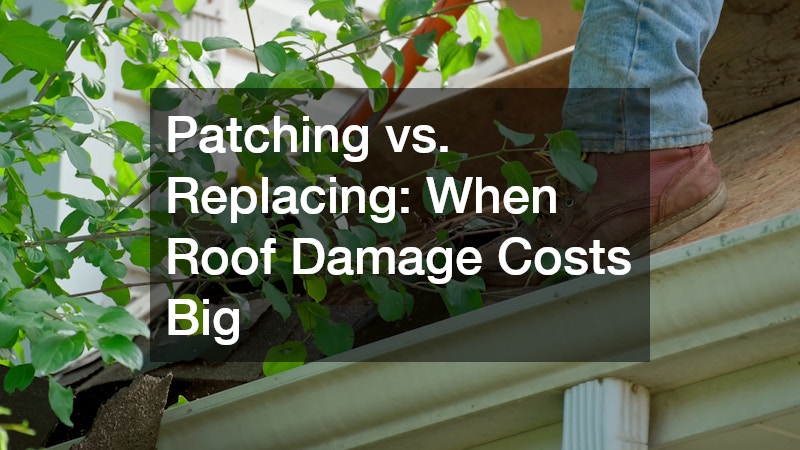
A small water stain on your ceiling or a handful of missing shingles can seem like a minor annoyance, but that first impression is often misleading. Roofs fail gradually, and the difference between a quick patch and a full replacement can mean thousands of dollars depending on how you handle it. Many homeowners delay action because they assume repairs are always cheaper, only to discover the damage had already spread beneath the surface. This article breaks down how to tell the difference, what factors drive the decision, and how to avoid costly mistakes along the way.

Recognizing the Early Warning Signs of Roof Damage
Most roofing problems start small and quiet, which is exactly why they get overlooked. A curling shingle, a soft spot on the decking, or a slightly discolored ceiling patch can all indicate trouble brewing above. On their own, each of these might seem minor, but together they’re your roof’s way of asking for attention before things get worse.
Start with what you can see from the ground. Shingles that are cracked, curling at the edges, or missing granules signal that the roofing material is aging past its protective prime. Dark streaks or patches of moss and algae point to trapped moisture, which can quietly rot the layers underneath long before any leak shows up inside.
Inside the house, the attic often tells the truth faster than the ceiling does. Look for water stains, damp insulation, or a musty smell, along with any visible daylight coming through the roof boards. A ceiling stain the size of a dinner plate today can mean a slow leak that’s been active for months.
Sagging areas anywhere on the roofline deserve immediate attention, since they often indicate structural issues with the decking or supports underneath. Catching these signs early is the single best way to keep a repair job small and affordable. Waiting even one storm season can turn a simple fix into a much larger project costing thousands more than a timely patch would have.
Homeowners should walk their property a few times a year, ideally in spring and fall, and look up—not just at the roofline but at gutters, soffits, and siding too. A pair of binoculars can help spot problems without climbing a ladder, and photographing the roof from the same angles each season makes it easier to catch gradual changes.
Look for curling or missing shingles, granules collecting in gutters, dark streaks, or moss and algae patches, which signal trapped moisture. Sagging sections, rusted flashing around chimneys and vents, and daylight visible through the attic boards are also red flags worth addressing quickly.
Water tends to travel before it shows itself indoors, so damage often appears far from its actual source. A stain on a ceiling in the hallway might trace back to a cracked flashing near the chimney several feet away, and musty odors in a closet can point to slow leaks hidden behind walls long before any visible spotting appears.
- Missing, cracked, or curling shingles — especially after storms with high winds or hail
- Granules collecting in gutters or downspouts, a sign shingles are aging past their protective lifespan
- Dark streaks (algae) or moss growth, which trap moisture and slowly degrade roofing material
- Soft or spongy spots when walking the roof, often indicating rotted decking underneath
- Water stains, discoloration, or peeling paint on interior ceilings and walls near the roofline
- Daylight visible through the attic roof boards, a clear sign of gaps or holes
- Sagging rooflines, which can point to structural issues rather than surface-level wear
- Rusted, cracked, or lifted flashing around chimneys, vents, and skylights, common leak entry points
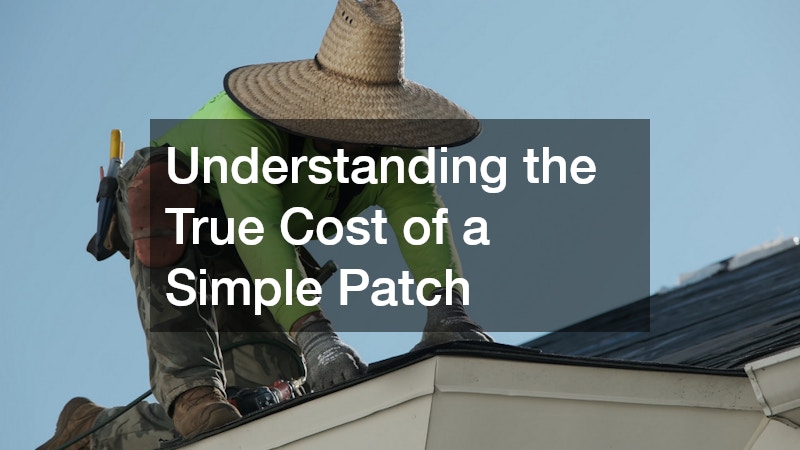
Understanding the True Cost of a Simple Patch
A patch job addresses the visible symptom, not necessarily the underlying cause, which is why pricing can vary so much between jobs. Simple flashing repairs or a few replaced shingles might cost a few hundred dollars, while more involved residential roof repair addressing rotted decking or hidden leaks can run into the thousands. The scope depends heavily on how long the damage has been active before anyone noticed it.
It is worth remembering that a patch is a targeted fix, not a guarantee against future problems in unrelated areas. Roofing companies typically recommend patching when damage is isolated, the roofing material still has useful life left, and there is no evidence of widespread water intrusion. When those conditions are not met, a patch may only delay a bigger expense rather than prevent it.
Knowing When Full Roof Replacement Makes More Sense
Replacement becomes the smarter financial choice once damage is widespread, the roof is near the end of its expected lifespan, or repairs would cost a significant percentage of a new installation. Asphalt shingle roofs generally last 20 to 25 years, and once a roof approaches that age, repeated patch jobs often become a pattern rather than a solution. At that point, spending money on repairs can feel like pouring resources into a system that is simply wearing out.
A good rule many professionals use is the 30 percent threshold: if a repair estimate exceeds roughly 30 percent of the cost of full replacement, replacement usually offers better long-term value. This is especially true for older roofs where one area of damage often signals similar wear elsewhere that has not yet become visible.
- Roof age is 20 years or older with original materials
- Multiple leaks in different areas of the roof
- Widespread granule loss or curling across most shingles
- Visible sagging in the roofline or decking
- Previous patches that failed to hold
Comparing Material Types and Their Repair Lifespan
Not all roofing materials age or fail the same way, which affects whether patching or replacing makes more sense for your specific roof. Asphalt shingles are the most common and generally the easiest and cheapest to patch, while tile and slate require specialized skill and can be brittle to work with during repairs. Metal roofing behaves differently still, often lasting 40 to 70 years, but it requires a metal roofer with specific experience to patch seams, fasteners, or panel damage correctly.
Choosing the wrong contractor for a specific material is one of the most common and costly mistakes homeowners make. A metal roofer understands thermal expansion, panel overlap, and fastener patterns in ways a general asphalt shingle installer may not, and using the wrong expertise can lead to leaks reappearing within a year or two.
- Asphalt shingles: easiest to patch, 20-25 year lifespan
- Wood shakes: moderate repair difficulty, prone to rot
- Tile and slate: specialized repair skill required, brittle materials
- Metal panels: long lifespan, but seam and fastener repairs need specific expertise
Getting an Accurate Roof Estimate Before Deciding
Before committing to either option, homeowners should always request a detailed roof estimate that breaks down labor, materials, and any structural repairs separately. A vague, lump-sum quote makes it nearly impossible to compare patch versus replacement costs fairly. A thorough estimate should also include an inspection of the decking underneath, since hidden rot is often the deciding factor between a simple repair and a full tear-off.
It is wise to gather two or three estimates from different roofing companies, since pricing and recommendations can vary significantly based on a contractor’s experience and business overhead. Comparing multiple estimates also helps homeowners spot red flags, such as a contractor who pushes replacement without inspecting the damage closely first.
- Ask for an itemized breakdown of labor and materials
- Request photos of any hidden damage found during inspection
- Confirm whether the estimate includes disposal of old materials
- Ask about warranty terms for both patch and replacement work
- Get the estimate in writing before any work begins
Vetting Local Roofers and Verifying Credentials
Finding trustworthy local roofers is often more important than finding the cheapest bid, since roofing work done poorly can cause damage that costs far more to fix later. Homeowners should verify licensing, insurance, and manufacturer certifications before allowing anyone on their roof. A reputable residential roofing contractor will have no hesitation providing references or documentation of past work in your area.
Local companies also tend to understand regional weather patterns, building codes, and common material choices better than out-of-area or traveling crews. This local knowledge can influence which materials are recommended and how repairs are approached, particularly in climates with heavy snow, high wind, or intense sun exposure.
- Verify state licensing and liability insurance
- Ask for proof of manufacturer certifications
- Check online reviews and Better Business Bureau ratings
- Request local references from recent jobs
- Confirm they carry workers compensation coverage
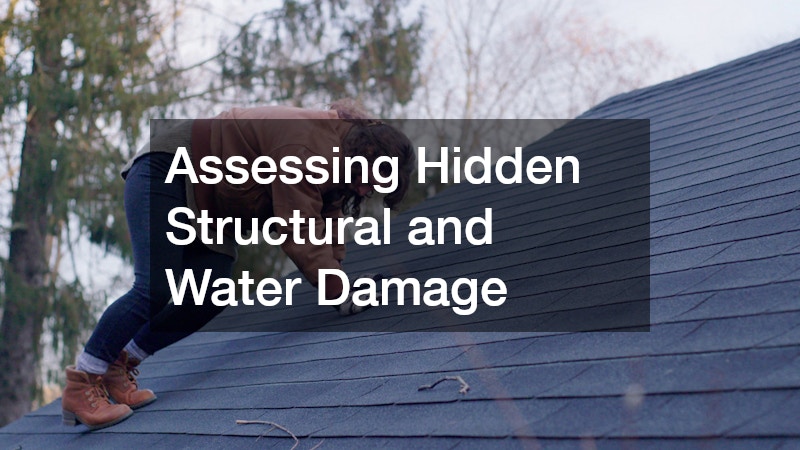
Assessing Hidden Structural and Water Damage
One of the biggest risks with a simple patch is that it only treats what is visible on the surface. Water can travel along rafters and decking for months before it ever shows up as a stain on a ceiling, meaning the true extent of damage is often larger than it appears. A qualified inspector should check the attic space, insulation, and framing whenever a leak has been present for an extended period.
If rot or structural weakness is discovered, carpentry services may be needed to repair or replace damaged framing before any new roofing material goes on. Skipping this step to save money almost always backfires, since new shingles or panels installed over compromised wood will fail prematurely.
- Check attic rafters and decking for soft or discolored wood
- Look for mold or mildew smell in the attic space
- Inspect insulation for water saturation or clumping
- Confirm structural repairs are completed before re-roofing
Protecting Gutters and Siding During Roof Work
Roof damage rarely stays isolated to the roof itself, especially when water has been allowed to run off improperly for an extended period. Overflowing or damaged gutters can direct water behind siding, leading to rot, staining, or mold growth on the exterior walls. Because of this, gutter installation is often discussed alongside roof repair, particularly if the existing gutters are old, clogged, or improperly pitched.
Similarly, a siding contractor may need to get involved if water intrusion has affected the areas where the roofline meets the exterior walls. Addressing these connected systems together, rather than treating the roof as an isolated project, helps prevent the same water damage from reappearing through a different part of the house.
- Inspect gutters for proper slope and drainage
- Clear debris that causes water to back up under shingles
- Check siding near the roofline for staining or soft spots
- Coordinate gutter and siding repairs with roofing work when needed
Weighing Long Term Value Against Short Term Savings
It can be tempting to choose the cheapest option available in the moment, but roofing decisions should be evaluated over a longer time horizon. A patch that costs a few hundred dollars today but fails again within two years may end up costing more overall than a properly executed replacement. Homeowners should factor in expected lifespan, warranty coverage, and the likelihood of related repairs when comparing options.
Run the numbers before deciding. A single patch might run $300 to $600, but if that same section needs attention again in 18 to 24 months, and then again after that, the cumulative cost can easily exceed what a full replacement would have cost upfront. A new roof, by contrast, typically comes with 20 to 30 years of expected service life and a manufacturer’s warranty that a patch simply cannot match.
Warranty coverage deserves special attention, since patches often void or limit existing roof warranties rather than extending them. Many manufacturers require full-system replacement to maintain coverage, meaning a patch job could leave a homeowner unprotected against future defects. It is worth checking the fine print before assuming a quick fix preserves any existing protection.
Age and condition of the surrounding roof also matter. If a roof is already 15 years into a 20-year lifespan, pouring money into repeated patches may only delay an inevitable replacement while adding little real value. In these cases, redirecting funds toward replacement can be the more financially sound choice, even though it requires a larger initial outlay.
A trustworthy roofing company will walk through these trade-offs honestly rather than pushing the most expensive option by default. That means explaining not just what a patch costs today, but how it’s likely to perform over the next five to ten years compared to a full replacement.
Homeowners should ask direct questions: How long do similar patches typically last on this type of roof? What percentage of past repairs on comparable damage needed follow-up work within two or three years? A reputable contractor should be able to answer with real numbers, not vague reassurances.
It’s also worth asking about the cost curve. A patch might run a few hundred dollars now, but if it’s likely to need repeating twice before the roof’s natural end of life, that adds up quickly against a replacement that resets the clock entirely.
Getting this kind of specific, honest information helps homeowners feel confident in whichever path they choose, rather than guessing based on price alone.
- Compare warranty length between patch and full replacement — patches often carry 1-2 year coverage, while new roofs can offer 20-50 year manufacturer warranties
- Ask about expected lifespan of the repair versus new materials, since a patch may last 3-5 years but a full replacement can last 20-30 years depending on material
- Factor in potential future repair costs when comparing prices, as recurring patches can add up to more than the cost of one replacement over time
- Consider resale value impact if selling the home in coming years, since buyers and inspectors often flag aging roofs even if recently patched
- Check whether a patch could void or limit existing roof warranties, especially if a different contractor performs the repair
- Weigh financing options for replacement, such as loans or contractor payment plans, against the upfront affordability of a patch
Deciding between patching and replacing a roof is rarely as simple as comparing two price tags, since hidden damage, material type, and long-term value all play a role. The smartest first step is getting a thorough, honest inspection and estimate before any work begins, so you understand exactly what you are dealing with. Taking the time to research qualified professionals and ask the right questions now can save significant money and stress down the road.