
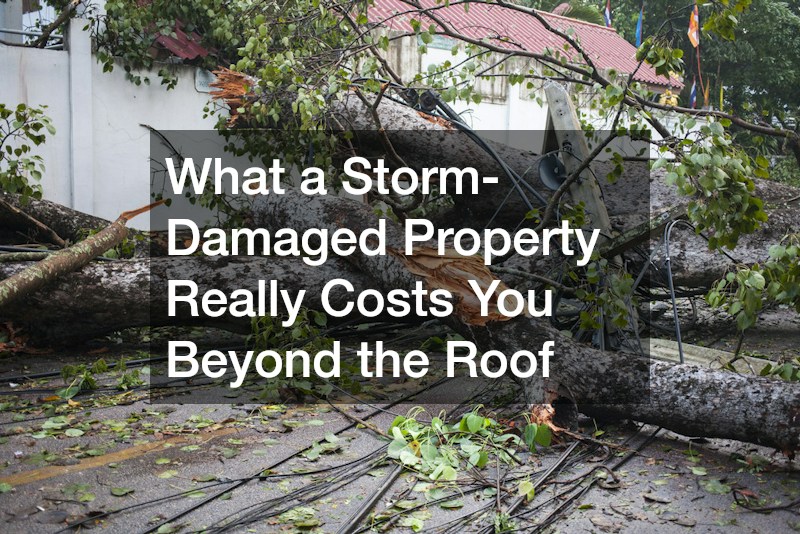
When a storm tears through your neighborhood, the visible damage to your roof is usually just the opening chapter. Underneath that obvious problem are a dozen smaller, costlier issues that homeowners often discover weeks or months later, after insurance adjusters have closed the file. Understanding the full scope of storm damage, from your yard to your electrical panel, helps you budget realistically and avoid getting blindsided by a second wave of repair bills. This guide walks through the hidden costs that typically follow a major storm, so you can plan ahead instead of reacting in a panic.
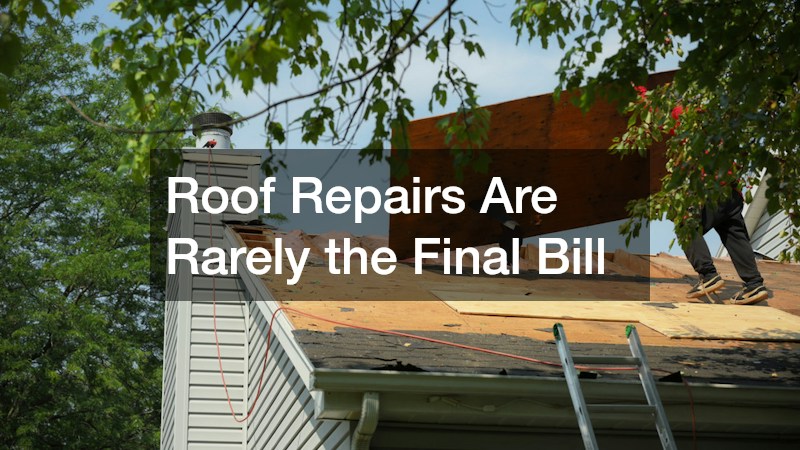
Roof Repairs Are Rarely the Final Bill
Most homeowners assume that once the roofing contractors patch the shingles or replace the decking, the storm chapter is closed. In reality, roof repairs often uncover secondary issues like compromised flashing, damaged soffits, or attic insulation that got soaked and needs replacing. A thorough inspection should always include the attic space, not just the exterior, because trapped moisture can quietly cause rot for months before anyone notices.
It helps to get a second opinion before signing off on any repair estimate, since the first quote may only address the obvious damage. Ask whatever company you hire to document everything with photos, since that paperwork becomes critical if you need to file a supplemental insurance claim later.
Water Intrusion Damages That Hide Behind Walls
Wind-driven rain can force water through tiny gaps around windows, vents, and chimney flashing, and that moisture often travels far from the original entry point before it shows up as a stain on your ceiling. By the time you see discoloration, mold may have already started growing inside the wall cavity. This is one of the most expensive hidden costs of storm damage because it frequently requires opening up drywall, not just repainting over the blemish.
- Musty odors in a room are often the first sign of trapped moisture, even before visible stains appear
- Warped baseboards or bubbling paint usually indicate water has been sitting for weeks
- Mold remediation costs can rival or exceed the original roof repair bill
- Insurance policies sometimes cap mold coverage, so ask about sublimits before you need them
Mechanical Systems That Take an Unseen Hit
Storms do not just damage what you can see from the street. Power surges, flooding, and falling debris frequently knock out mechanical equipment that homeowners forget to inspect right away, including HVAC compressors, sump pumps, and electrical panels. These systems can suffer damage even when the structure around them looks untouched. A sudden power surge can fry the control board on a water heater, leading to an unexpected water heater repair just when you thought the worst was over. The same surge can damage the capacitor on an air conditioning unit or trip a circuit breaker that never resets properly, leaving you with intermittent power issues for weeks.
Flooding poses its own risks, even a few inches of standing water in a basement or crawlspace can submerge a furnace’s pilot assembly or corrode wiring connections. Rust and corrosion often take days or even weeks to show visible symptoms, so a unit that seems to run fine right after a storm may fail within the next month. It is worth having an HVAC technician and electrician inspect these systems within a week of any major storm, even without obvious warning signs. Catching a damaged control board or corroded wire early typically costs a few hundred dollars, while waiting for full failure can mean a replacement bill in the thousands.
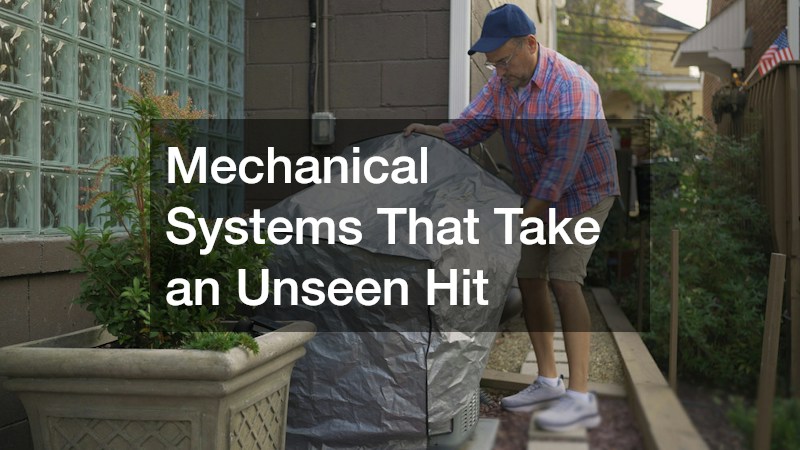
Outdoor condenser units are especially vulnerable to wind-blown debris, hail dents, and water pooling around the base. Bent fins restrict airflow, storm debris can jam or crack the fan blades, and waterlogged electrical components may short out long before you notice anything wrong. Even a few dented fins across the coil can cut cooling efficiency by a noticeable margin, forcing the system to work harder and run longer than it should. If your system stops cooling properly after a storm, it is worth scheduling AC repair promptly, since running a damaged unit can cause more expensive compressor failure down the line.
A technician can check refrigerant levels, inspect the capacitor and fan motor, and confirm the coils are still sealed properly, repairs that typically cost far less than a full compressor replacement, which can run into the thousands of dollars. Many homeowners do not think to check these systems until the next time they need heat or air conditioning, which can mean weeks of discomfort layered on top of repair costs.
Furnaces and heat pumps can suffer their own hidden damage too, from water intrusion around rooftop units to debris clogging intake vents, so it is worth having both cooling and heating components inspected together after a major storm rather than waiting for the next seasonal swing to reveal a problem.
Landscaping and Yard Recovery Costs
The yard often takes as much punishment as the house, yet it gets far less attention in insurance claims and repair budgets. Uprooted shrubs, shredded flower beds, and washed-out soil are common after heavy rain and wind, and restoring them properly takes more than a quick cleanup. Erosion is a particular concern on sloped yards, where topsoil can wash away entirely and leave bare patches that invite weeds.
Replacing a protective layer of mulch is one of the simplest and most cost-effective ways to stabilize soil and help new plantings establish roots after a storm. It also helps retain moisture during the dry stretch that often follows a major weather event, giving stressed plants a better chance at recovery. Budgeting a few hundred dollars for yard restoration alongside the bigger structural repairs can prevent a second round of landscaping costs down the road.
Pest Problems That Follow Standing Water
Standing water left behind by a storm creates an ideal breeding ground for mosquitoes, and most homeowners do not realize how quickly populations can explode. Mosquitoes need as little as a bottle cap of stagnant water to lay eggs, and those eggs can hatch into biting adults in as few as seven to ten days. A single puddle that lingers for a week can produce hundreds of new mosquitoes, turning a damaged yard into an unusable one even after repairs are complete. The problem rarely stays contained to the obvious puddles in the yard.
Water pools in clogged gutters, overturned patio furniture, tarps covering roof damage, and even inside children’s toys left outside during the storm, giving mosquitoes dozens of hidden nurseries to work with. Each of these spots can keep producing new generations long after the visible flooding has receded. This is why mosquito removal often becomes a necessary step before families feel comfortable spending time outside again. Beyond the itch and irritation of bites, standing water after a storm has been linked to upticks in mosquito-borne illnesses like West Nile virus, making professional treatment less a luxury and more a practical safeguard for the household.
Beyond mosquitoes, storm damage can also drive rodents, termites, and ants toward your home as their usual habitats get flooded or destroyed. Displaced colonies and nests often seek out the nearest dry, warm structure, and a storm-battered house with compromised siding or soffits looks like prime real estate to them. Cracks in the foundation or gaps left by storm damage give pests new entry points that did not exist before.
Even a gap as small as a quarter-inch can let mice squeeze through, while termites can exploit moisture-softened wood around window frames, door jambs, or attic beams that were previously sealed tight. Many homeowners end up calling pest control companies within a month or two of a major storm, often surprised that this expense was not something they planned for. These visits can run anywhere from $150 for a basic inspection and treatment to $500 or more if termite colonies or a rodent infestation have already taken hold.
Waiting too long to address the problem tends to raise the eventual bill, since early-stage pest activity is far cheaper to treat than an established infestation that has spread into insulation or wall cavities. Scheduling a pest inspection alongside your storm damage assessment is one of the simplest ways to catch these issues before they multiply.
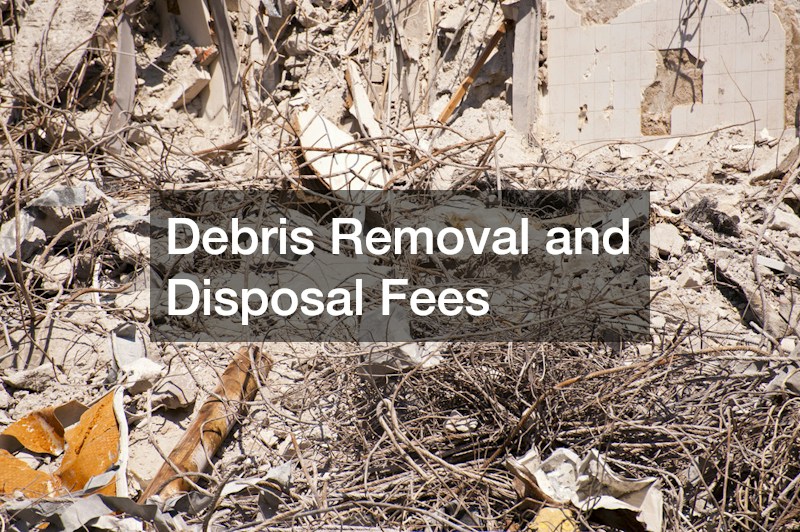
Debris Removal and Disposal Fees
Fallen branches, damaged fencing, and torn-off siding all have to go somewhere, and hauling it away is rarely included in a basic repair quote. Municipalities sometimes offer temporary storm debris pickup, but that window closes fast, and anything left behind becomes the homeowner’s responsibility. Large-scale cleanup after a serious storm often requires renting dumpsters or hiring a hauling service, which adds up quickly when you are already stretched thin financially.
- Separating wood, metal, and shingles can reduce disposal fees at many facilities
- Construction recycling programs accept materials like asphalt shingles and lumber, which keeps costs down compared to standard landfill dumping
- Some contractors include debris removal in their quote, so always ask before assuming it is covered
- Large branches and tree trunks often require special permits for curbside pickup
Structural Reinforcements for Outdoor Living Spaces
Decks, pergolas, and patio covers often take a beating during high winds, and the damage is not always obvious from a quick glance. A patio cover that looks slightly crooked may actually have compromised support posts that will not survive the next storm. Getting these structures inspected before summer entertaining season starts can save you from a collapse that damages furniture or, worse, injures someone.
Reinforcing these outdoor spaces typically costs less than a full rebuild, provided the damage is caught early. Homeowners who skip this inspection step sometimes end up paying for both the structure and whatever it damaged when it eventually gave way. It is worth treating outdoor living spaces with the same seriousness as the main house, since they represent real investment and real liability.
Heavy Equipment Needs for Large Tree Removal
When a mature tree comes down on or near a house, removing it safely is rarely a simple chainsaw job. Trees that have fallen across a roofline or are leaning precariously against a structure often require crane services to lift and remove them without causing additional damage. Attempting to handle this kind of removal without the right equipment is not just inefficient, it can be genuinely dangerous for anyone standing nearby.
Homeowners insurance sometimes covers tree removal if the tree damaged the home, but coverage can get complicated if the tree fell in the yard without touching the structure. It is worth reading your policy closely or asking your agent directly, since tree removal costs can run into the thousands depending on size and location. Getting quotes from a few companies before committing helps you avoid overpaying during a time when demand for this kind of service is unusually high.
Indoor Comfort Restoration After Extended Power Loss
Extended power outages during and after a storm can leave homes humid, stuffy, and uncomfortable for days, which creates its own set of problems. Humidity that lingers indoors encourages mold growth on top of whatever water damage already occurred, compounding the original issue. Once power is restored, many homeowners find that their indoor air quality has suffered and that vents, filters, and ductwork need attention.
Scheduling a full inspection with reliable air conditioning services after a prolonged outage is a smart way to catch problems early, especially if the system ran without proper maintenance checks during the outage period. Technicians can flag issues like clogged filters, electrical damage, or refrigerant leaks before they turn into a complete system failure. Treating this as part of your storm recovery checklist, rather than a separate unrelated expense, keeps the overall cost of recovery more predictable.
Storm damage rarely stays confined to the roofline, and the true cost of recovery often includes your yard, your mechanical systems, your outdoor structures, and your peace of mind. Taking a methodical approach, inspecting every system rather than just the obvious damage, puts you in a much stronger position when dealing with insurance and contractors alike. Start by documenting everything, get multiple estimates for major repairs, and tackle the hidden issues before they become bigger and more expensive problems. A little diligence now can save you from a second round of unexpected bills later.