
Safeguarding the structural durability, functionality, and long-term equity of a private residence requires an intentional strategy that connects outdoor boundaries with interior living spaces. A residential property operates as a continuous, interdependent ecosystem where surface barriers, subterranean drainage corridors, living spaces, and environmental grounds constantly influence one another. When natural weathering or daily operational friction compromises these systems, minor oversights can rapidly trigger compound failures across the property. Concealed water leaks, unmanaged tree growth, cracked foundations, or deteriorating weatherproofing barriers often evolve from subtle maintenance issues into severe structural rot, environmental contamination, and inflated emergency expenses. Establishing a structured, proactive schedule for property maintenance preserves household safety while protecting significant financial investments.
Developing an effective property preservation plan begins with understanding how functional site defenses and structural improvements work together. Reinforcing heavy-wear interior utility surfaces and maintaining proper indoor climate conditions directly enhance daily comfort while defending framing from hidden moisture saturation. Concurrently, managing perimeter property lines, stabilizing wastewater processing paths, and reinforcing overhead weather barriers shield the residential perimeter from severe storms and environmental intrusion. Treating site defense and physical maintenance as unified priorities allows property owners to execute strategic upgrades that prevent costly emergencies, optimize mechanical performance, and ensure durable household security across every season.
Eradicating Subterranean Pests and Establishing Perimeter Barriers
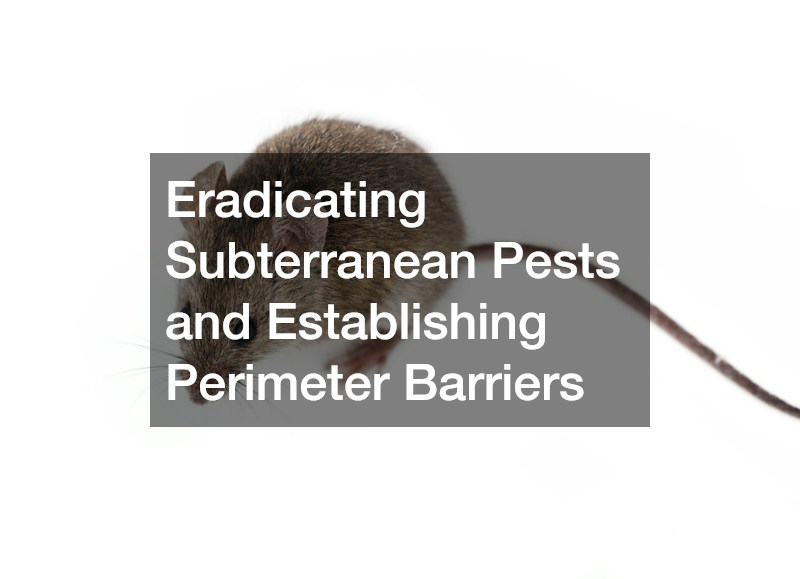
Residential foundations and structural framing offer shelter, warmth, and organic nourishment that attract destructive pests and subterranean wood-boring insects throughout the year. Subterranean termites, carpenter ants, and rodents exploit hairline fissures along foundation stem walls, plumbing entry points, and weep holes, establishing hidden tunnels behind drywall. Termite colonies feed quietly on wall studs, sill plates, and subfloors, causing extensive framing degradation long before outward warning signs appear on interior walls. In addition, burrowing pests gnaw through electrical wiring and fiberglass insulation, leaving droppings in crawlspaces and creating serious fire risks within building cavities.
Safeguarding structural framing and halting active infestations requires methodical perimeter trenching, void injections, and seasonal barrier treatments. Scheduling a certified extermination service ensures that pest specialists conduct comprehensive foundation inspections to identify subterranean mud tubes, frass deposits, and moisture-damaged timber. Technicians apply non-repellent liquid termiticides into perimeter soil trenches, inject protective expanding foams into expansion joints, and install exterior baiting stations around the perimeter to eradicate colonies at their source. Sealing structural penetrations with copper mesh and elastomeric sealants closes off travel routes, defending the home against structural wood rot and pest incursions.
Setting Structural Posts and Securing Perimeter Boundaries
Perimeter boundary fencing serves as the initial physical barrier protecting residential grounds, defining legal property borders while providing essential security, privacy, and wind buffering. Over years of seasonal exposure, boundary enclosures endure severe wind loads, ground heave, and surface moisture that degrade structural integrity. Wood posts set directly into moist soil inevitably succumb to subterranean fungal decay, leading to leaning panels, warped gate frames, and loosened hardware. If a boundary line fails during a severe storm, falling fence sections can damage adjacent landscaping, expose private amenities to unauthorized access, and create boundary liabilities with neighboring lots.
Installing a resilient boundary barrier requires deep post excavation, proper hardware selection, and precision alignment. Partnering with a reliable local fence company guarantees that heavy corner and gate posts are dug below local frost lines and secured in bell-shaped concrete footings with gravel drainage bases to prevent frost heaving. Experienced installers utilize weather-treated wood framing, powder-coated aluminum, or high-tensile vinyl pickets assembled with exterior-grade stainless steel fasteners to resist weathering. Precise post alignment, combined with heavy-duty self-closing gate hinges and drop rods, ensures that perimeter boundaries remain secure, plumb, and stable through severe storms.
Pruning Overextended Canopies and Removing Hazardous Limbs
Mature trees provide shade, improve curb appeal, and support local ecosystems, but overgrown canopies near residential structures introduce substantial physical risks. During severe windstorms, heavy snowfall, or freezing rain events, overextended limbs experience extreme mechanical torque. Dead wood, decayed forks, and weakly attached branch unions can shear off without warning, crushing roof rafters, puncturing shingles, or severing overhead electrical service drops. Furthermore, dense canopies that rub against roofing materials scrape away protective asphalt granules, while low-hanging branches drop piles of organic debris directly into eave channels, trapping moisture along the roofline.
Safeguarding structural roof planes and managing tree health requires professional arboricultural care, proper rigging, and precise crown thinning. Contracting a dependable provider of tree services ensures that hazardous limbs hanging over roof ridges, power lines, and driveways are safely removed using directional lowering ropes and friction brakes. Certified arborists thin out crowded internal canopies to reduce wind resistance, eliminate diseased or dead limbs, and elevate lower branches to allow sunlight to reach the building envelope. Regular, calculated crown thinning preserves tree health, prevents dangerous storm-related impacts, and shields the property from overhead hazards.
Clearing Main Lateral Clogs and Relining Damaged Pipes
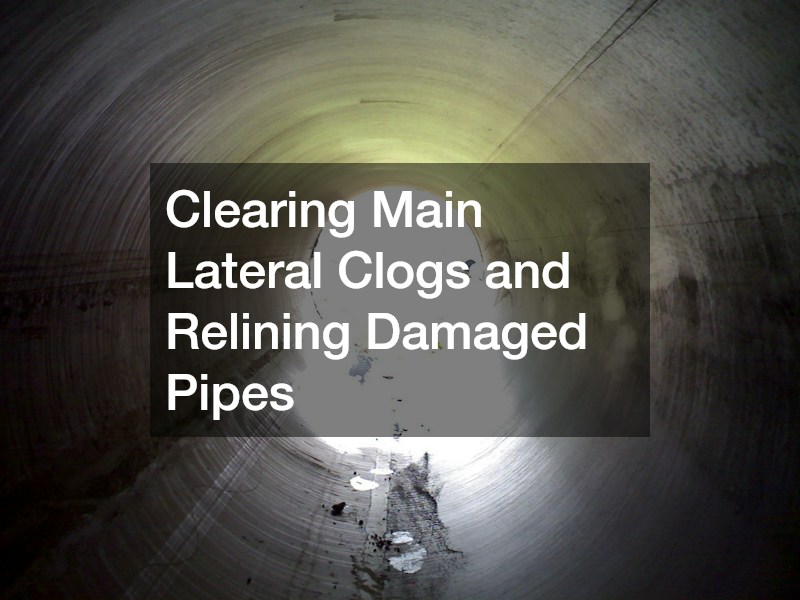
Subterranean sewer mains carry domestic wastewater away from household plumbing stacks into municipal collection systems or private septic tanks. These buried lateral lines face continuous environmental pressures, including shifting soils, hydrostatic pressure, and intrusive tree roots seeking moisture through pipe joints. Over decades of service, older clay, cast-iron, or composite pipes crack, shift out of alignment, or develop thick root blockages that snag waste materials. When a sewer main collapses or clogs completely, raw sewage backs up through lowest-level plumbing drains, causing extensive property damage, unsanitary conditions, and health hazards.
Resolving recurring main-line blockages without tearing up lawns and driveways demands modern diagnostic imaging and trenchless restoration techniques. Arranging for professional sewage system services allows technicians to insert high-definition, self-leveling fiber-optic cameras directly into the pipe run to pinpoint fractures, root intrusions, and joint offsets. Depending on the pipe condition, specialists clear heavy roots with hydro-jetting equipment and install cured-in-place pipe liners to create a seamless, epoxy-hardened pipe within the damaged host line. Trenchless relining restores flow capacity, seals out roots, and renews aging sewer infrastructure without disturbing surface landscaping.
Pumping Buried Holding Chambers and Inspecting Baffle Integrity
Private onsite wastewater setups quietly process household greywater and blackwater away from municipal utility grids. Raw sewage collects in an underground septic tank, where solid matter settles to the bottom as sludge and floating oils form an upper scum blanket. Anaerobic bacteria break down solid waste, allowing clarified effluent to exit through a subterranean network of perforated pipes into the soil absorption field. Because these holding tanks are buried underground, homeowners often overlook routine maintenance until severe symptoms appear, such as gurgling toilet drains, sewage backups in fixtures, or foul surface odors in the yard.
Preventing drain field failure and messy plumbing emergencies requires regular tank pumping and structural inspections. Scheduling routine septic tank cleanings every three to five years clears out accumulated solids before they can wash into the drain field and clog soil pores. Experienced technicians measure sludge and scum thicknesses, verify that inlet and outlet sanitary baffles remain intact, clean effluent filter screens, and check for signs of root intrusion. Routine pump-outs prevent bio-mat clogs from ruining the absorption field, protect surrounding groundwater, and keep home drainage flowing freely.
Diamond Grinding Concrete Slabs and Rolling Polyaspartic Resins
Concrete surfaces in residential garages, workshops, and basements endure relentless mechanical loads, thermal variations, and chemical exposures throughout their operational life. Bare concrete is naturally porous, drawing in motor oil, road salts, transmission fluids, and ground moisture through microscopic capillaries. Over repeated freeze-thaw cycles, trapped water expands, resulting in surface spalling, micro-fractures, and fine concrete dust that tracks into living areas. Standard hardware-store floor paints fail quickly in these settings, blistering under hot tire pickup and peeling away from moisture vapor pressure rising through the slab.
Transforming an unfinished concrete pad into an impervious, industrial-strength surface requires diamond-grind preparation and multi-layer chemical bonding. Upgrading to commercial-grade epoxy floor coating begins with mechanical diamond profiling to remove old sealers, open up concrete pores, and level high spots. Technicians repair cracks and pits with rapid-curing polyurea compounds before applying a 100-percent solids base coat broadcast with decorative vinyl color flakes. Sealing the entire floor with an ultraviolet-stable polyaspartic clear coat creates a durable finish that resists chemical stains, eliminates concrete dusting, and cleans up easily with simple damp mopping.
Tearing Off Degraded Shingles and Installing Water Barriers
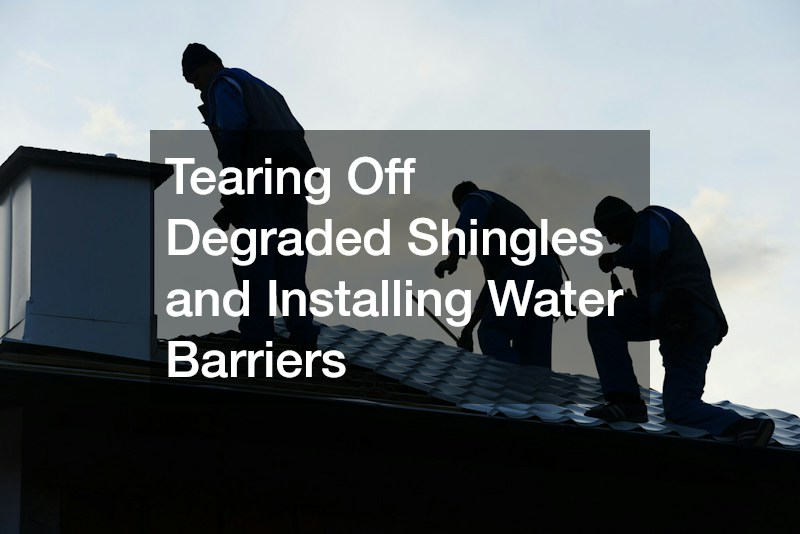
The overhead roofing system serves as the primary barrier against driving rain, high-velocity winds, and solar radiation. Throughout the year, thermal expansion and wind stress work loose perimeter fasteners, degrade adhesive sealant strips, and cause individual shingle tabs to lift or tear. Valleys and roof intersections endure the heaviest volume of stormwater runoff, making their underlying metal flashing channels and water membranes particularly vulnerable to mechanical wear and debris buildup. If water bypasses deteriorated shingles or compromised flashing seals, it soaks directly into attic framing and insulation, sparking concealed wood rot long before interior ceiling stains appear.
Executing a durable roof replacement requires stripping the surface down to bare wooden sheathing so technicians can inspect, repair, and reinforce the underlying deck. Hiring a licensed roofing contractor guarantees that delaminated plywood panels are cut out, self-adhering ice-and-water membranes are applied along vulnerable eaves, and tear-resistant synthetic underlayments cover the roof deck. Modern architectural shingles are then fastened using corrosion-resistant pneumatic ring-shank nails placed along designated manufacturer nailing lines. Proper step-flashing around chimneys, paired with continuous ridge vents, creates a balanced intake-and-exhaust ventilation loop that keeps the roof watertight and functional for decades.
Sweeping Creosote Deposits and Inspecting Flue Linings
A traditional masonry fireplace provides vital warmth and ambiance during cold seasons, but its combustion pathways require steady structural maintenance to remain safe. Over continuous heating cycles, the caustic byproducts of burning wood—including creosote, acidic moisture vapor, and soot—accumulate along the interior surfaces of the chimney flue. These deposits corrode clay flue tiles, cause mortar joints between firebricks to crack, and introduce dangerous structural fire risks. Furthermore, damaged firebox walls allow extreme combustion temperatures and toxic flue gases to reach adjacent wooden wall studs, creating serious life-safety hazards inside the home.
Ensuring safe fireplace operation requires hands-on mechanical cleaning, video flue inspections, and targeted masonry restoration. Enlisting a qualified chimney cleaner allows homeowners to clear out dangerous stage-three creosote glaze using specialized rotary whip systems and industrial HEPA vacuums. Skilled technicians assess flue passages using closed-circuit cameras that identify hidden liner fractures, mortar spalling, and missing joint seals. By crowning the chimney with a spark-arresting rain cap and repairing damaged dampers, professionals prevent draft issues, stop rain intrusion, and keep the hearth running safely throughout the winter.
Excavating Yard Footprints and Pouring Reinforced Basins
Inground swimming pools serve as standout outdoor living features, but constructing or rebuilding an aquatic basin requires rigorous structural engineering and precision excavation. Subsurface ground conditions, shifting water tables, and soil expansion place immense hydrostatic pressure against buried pool walls. If site clearing is uneven or the underlying structural shell is under-engineered, the basin can experience shifting, surface cracking, and costly plumbing fractures beneath the deck. Integrating high-performance filtration, lighting, and hardscaping demands careful sequencing from groundbreaking to final water balancing.
Managing the physical excavation, plumbing installation, and concrete placement requires comprehensive technical oversight. Investing in a professional swimming pool installation ensures that soil density is tested and footings are engineered to withstand ground movement. Crews tie heavy-gauge steel rebar grids, run rigid schedule-40 PVC circulation lines, and pneumatically apply dense shotcrete or gunite to form a monolithic, watertight shell. Integrating variable-speed pumps, automated sanitation equipment, and slip-resistant perimeter coping creates an enduring aquatic retreat that adds long-term value to the residential landscape.
Flushing Clogged Condensate Runs and Recharging System Refrigerant
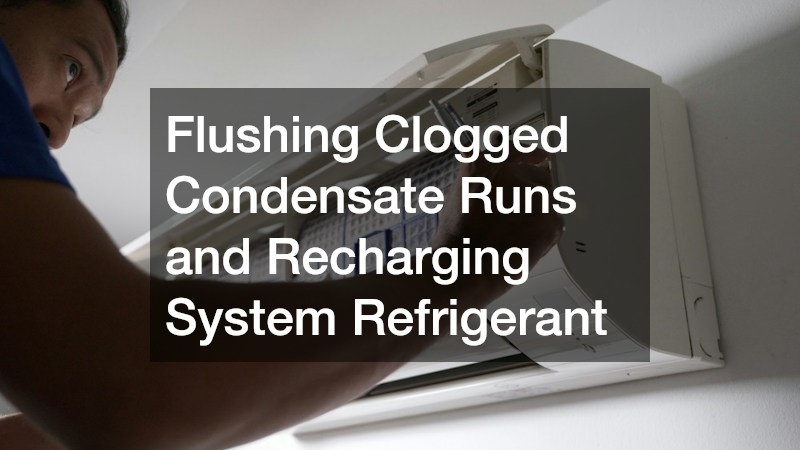
During humid summer weather, central cooling equipment works tirelessly to remove sensible heat and extract airborne moisture from inside the dwelling. As humid air passes over the chilled evaporator coil, moisture condenses onto aluminum fins and drips into a collection tray connected to a narrow condensate drainage line. Over months of steady operation, airborne spores, household dust, and microbial algae gather inside this moist pipe, creating thick blockages that cause drainage pans to overflow. Left uncorrected, water spills onto ceiling drywall or trips float switches that disable the cooling cycle entirely, leaving the home hot and prone to mold growth.
Resolving persistent cooling shutdowns and restoring thermal transfer requires targeted mechanical diagnostics and preventative service. Homeowners facing warm supply registers, frozen evaporator coils, or overflowing drain pans require certified ac repair to get their systems back on track. Skilled technicians flush blocked condensate conduits using high-pressure nitrogen bursts and treat drainage pans with slow-dissolving antimicrobial tablets. They also evaluate sealed copper line sets with electronic leak detectors, straighten crushed condenser fins to restore airflow, and recharge the system to factory refrigerant specifications. Prompt repairs prevent compressor burnout and ensure reliable cooling through the hottest summer heatwaves.
Preserving the structural durability, daily comfort, and market value of a residence requires an integrated maintenance strategy that unites interior living spaces with exterior building defenses. From diamond-grinding utility floors, sweeping heating flues, and servicing central cooling equipment to securing property perimeter fencing, building durable pool structures, and eliminating subterranean pests, each targeted project protects structural framing and improves daily life. Concurrently, replacing worn roof shingles, trimming hazardous tree branches, clearing main sewer lines, and pumping septic holding chambers shields the property against water damage, structural rot, and utility breakdowns.
Transitioning from stressful emergency repairs to a planned, preventative maintenance schedule saves property owners money and prevents minor component wear from turning into severe structural damage. By learning to identify early warning signs of mechanical wear, scheduling regular seasonal checkups, and working with licensed trade craftspeople for technical updates, homeowners can safeguard their investment. Approaching property defense and indoor remodeling with careful planning and quality craftsmanship ensures that your residence remains secure, comfortable, and energy-efficient through every season.