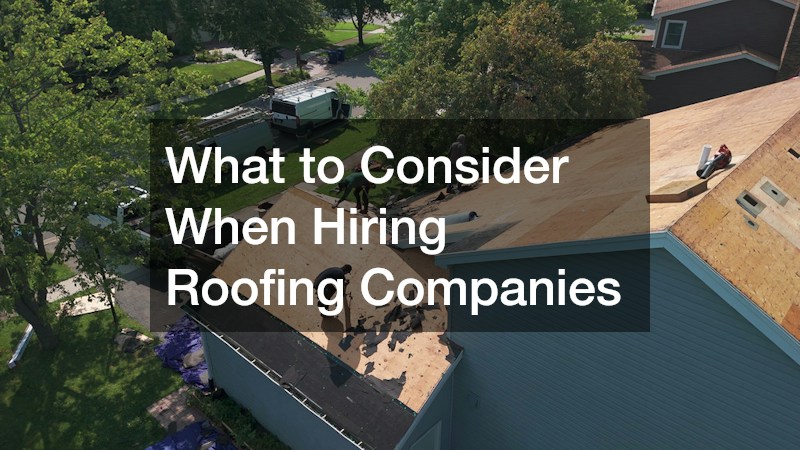
Hiring a roofing contractor is an important decision that can affect a property’s condition, appearance, and long-term value. Whether a roof needs repairs or a complete replacement, selecting the right professional roofing company can help prevent unnecessary expenses and future problems. Before making a decision between roofing companies, property owners should evaluate a contractor’s experience, credentials, pricing, and approach to safety. Understanding these factors can make it easier to compare options and choose a company that meets the property’s needs and budget.
How to Determine the Right Roofing Company for Your Needs?
Experience is an important consideration when evaluating roofing professionals. Roofing companies that have completed various projects may be better prepared to identify roofing problems, recommend suitable materials, and address unexpected issues during installation or repairs. Reviewing their experience with the type of work you need can help determine whether they are a suitable choice. Ask potential contractors about similar projects and the roofing materials they commonly use. Experience with different roofing systems is valuable when a property has a complex design or requires specialized installation. Requesting examples of previous work can also provide insight into the company’s workmanship.
Before hiring a roofing company, verify that the company meets applicable licensing, registration, and legal requirements. These vary by location, so property owners should confirm which rules apply to their area. Checking credentials helps establish whether a contractor meets the necessary requirements to perform the work. Certifications can provide additional information about a company’s training and familiarity with specific roofing systems. Some manufacturers certify contractors who meet particular installation and business standards. Although certifications do not guarantee quality, they can help you compare qualifications and assess a contractor’s relevant training.
Customer reviews offer useful information about a contractor’s communication, reliability, workmanship, and service. Look for feedback about project timelines, estimate accuracy, and how concerns were addressed. Reading reviews across multiple platforms can help identify consistent patterns rather than relying on one person’s experience. You can also request references from previous customers with similar roofing projects. Ask about communication, how unexpected problems were handled, and whether the finished work met expectations. These details can help you make an informed decision before signing an agreement.
What Are the Costs Involved in Hiring a Roofing Company?
A roofing estimate should outline the expected costs and scope of the work. Depending on the project, it may include labor, materials, removal and disposal of old roofing, underlayment, flashing, and other components. Some estimates also identify additional charges for structural repairs or problems discovered after removing existing materials. Review each estimate to understand what is included and what may cost extra. Ask about unclear charges, payment schedules, timelines, and procedures for approving additional work. A detailed written estimate establishes expectations and reduces misunderstandings once the project begins.
Several factors influence roofing costs. Roof size, slope, design complexity, and material selection affect labor and material expenses. Roofs with multiple angles, valleys, skylights, or chimneys may require additional time and specialized installation. The existing roof’s condition can also affect the budget. Damaged decking, deteriorated flashing, moisture problems, or multiple roofing layers may increase the work required. Material availability, disposal fees, and scheduling can also affect pricing. Understanding these variables helps property owners prepare a realistic budget and account for potential expenses.
Obtaining estimates from multiple roofing companies helps you understand the typical price range for your project. However, the lowest quote is not always the best choice. A significantly lower price may reflect differences in material quality, labor coverage, project scope, or other details. Compare estimates based on similar requirements, including materials, removal services, installation methods, and warranties. Consider each roofing contractor’s experience, communication, and proposed timeline alongside the price. Evaluating these factors helps you balance cost, workmanship, and the expected lifespan of the finished roof.
How to Ensure Quality and Safety During Roofing Projects?
Insurance coverage is important when hiring a roofing company. Ask for proof of liability insurance and workers’ compensation coverage, where required. These policies can help protect property owners from certain financial risks related to property damage or workplace injuries. Verify that coverage is current before work begins. Warranties also deserve attention. Roofing projects may include manufacturer warranties for materials and separate workmanship warranties for installation issues. Coverage periods, exclusions, and claim requirements vary, so request written documentation explaining what each warranty covers. Understanding these terms clarifies how problems may be addressed after the project is complete.
Roofing work involves risks such as falls, falling materials, and tool-related injuries. Roofing companies should follow applicable safety regulations and use appropriate protective equipment, fall protection systems, and safe work procedures. They should also protect nearby structures, landscaping, vehicles, and people around the property. Before hiring a roofing company, ask how the crew manages job site safety and debris. Proper planning, organized work areas, and suitable equipment help reduce accidents and property damage. A company’s safety practices also reflect its professionalism and ability to manage the project responsibly.
Once the roofing work is complete, arrange a final inspection to review the results. The inspection should assess installation details, flashing, roof penetrations, drainage areas, and cleanup. Confirm that the work matches the written agreement and ask the roofing company to address outstanding concerns before considering the project finished. Regular maintenance can also extend a roof’s service life. Periodic professional inspections can identify damaged shingles, loose flashing, drainage problems, and other developing issues. Addressing these concerns early may help prevent moisture intrusion and extensive repairs. Keep project records, warranty documents, and inspection reports for future reference.
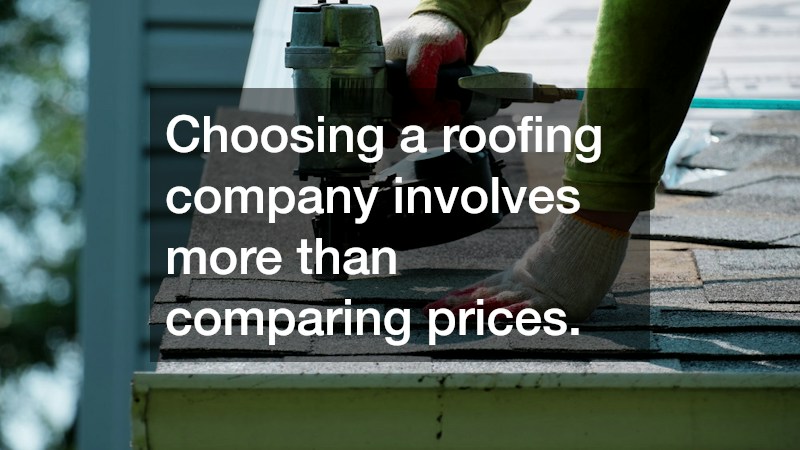
Choosing a roofing company involves more than comparing prices. Property owners should evaluate experience, verify credentials, review customer feedback, and examine written estimates before deciding. Insurance coverage, warranty terms, safety practices, and post-project inspections can also affect the quality and long-term value of the work. By reviewing these factors, property owners can make informed decisions when hiring roofing companies and establish clear expectations for their projects.