
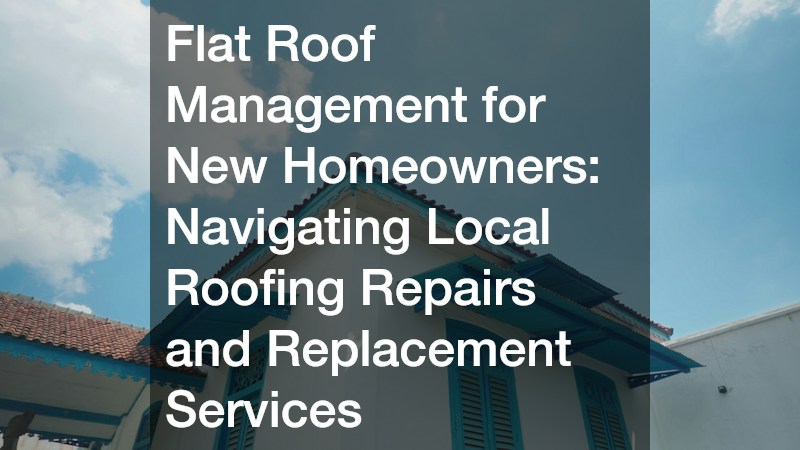
Navigating property ownership comes with a steep learning curve, particularly when it involves understanding the unique structural demands of a flat roof. Unlike traditional pitched roofing systems that rely on steep angles and gravity to shed water instantly, flat roofs are engineered with a very subtle slope to channel moisture toward specific drainage points. This distinct architectural design requires specialized maintenance, unique material applications, and targeted care strategies to keep the structure watertight and durable over time. For new homeowners, mastering the fundamentals of low-slope systems is key to avoiding premature degradation and protecting the long-term value of the building.
A proactive approach to property care involves recognizing how environmental factors impact surface materials and understanding when professional intervention is required. Environmental exposure, seasonal temperature swings, and standing water can all compromise low-slope structures if left unchecked. Establishing a clear routine for inspections, maintenance, and seasonal checks ensures that minor issues are identified and addressed long before they turn into major structural headaches.
Understanding Low-Slope Architectural Systems
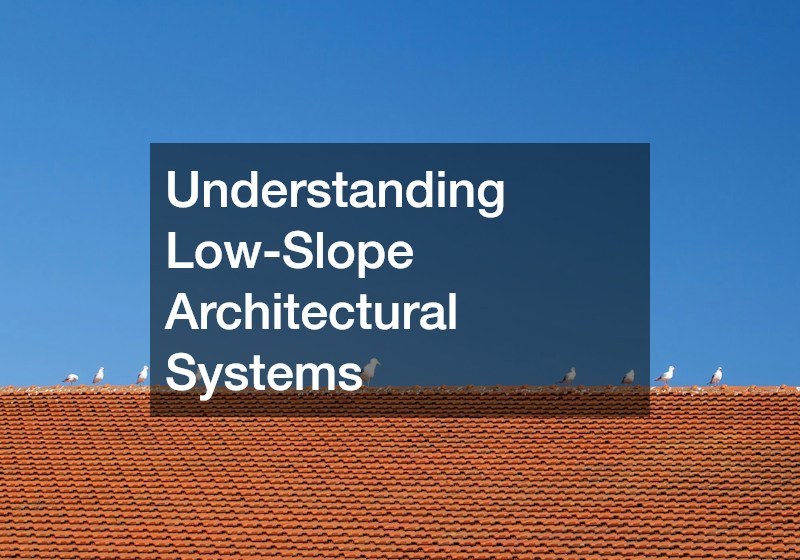
Low-slope architecture presents distinct advantages, from sleek modern aesthetics to increased usable space for HVAC units, green roofs, or outdoor decks. However, the fundamental difference between pitched and flat designs lies in how they handle weather. While steep roofs shed water rapidly, low-slope surfaces retain moisture longer and require continuous, seamless membranes to prevent water intrusion. Understanding the physics of low-slope protection is the first step toward effective property management.
The structural integrity of a flat roof relies heavily on waterproof membranes such as TPO, EPDM, or modified bitumen. These materials are engineered to resist standing water, ultraviolet radiation, and thermal expansion. Homeowners who familiarize themselves with their specific system can better spot early warning signs—such as minor blistering, seam separation, or surface cracking—allowing them to seek timely help from experienced roofers before water penetrates the underlying decking.
Identifying Common Issues in Flat Roof Systems
Because low-slope designs hold water longer than pitched structures, they are susceptible to specific forms of wear and tear. Ponding water—defined as standing water that remains on a surface for more than 48 hours after rain—is one of the most frequent threats. Standing water accelerates membrane degradation, weakens seams, and adds unnecessary dead weight to the structural framing below.
Other common issues include membrane punctures from fallen debris, seam lifting caused by strong wind uplift, and flashing deterioration around chimneys, vents, and skylights. Recognizing these vulnerabilities early allows homeowners to take swift action. Addressing small punctures or minor seam separations promptly prevents moisture from seeping into insulation layers, where hidden mold and structural wood rot can cause extensive internal damage.

The Value of Routine Inspections and Preventive Upkeep
Preventive maintenance is the single most effective way to extend the lifespan of any low-slope system. Routine visual checks should be conducted twice a year—typically in the spring and fall—as well as after major weather events. Clearing leaves, twigs, and dirt from drains, scuppers, and gutters ensures that rainwater drains efficiently rather than pooling on the surface.
During a routine walk-through, property owners should pay close attention to high-risk areas, such as perimeter flashings, pipe boots, and physical seams. Catching small imperfections early minimizes the need for extensive structural overhauls. Developing a consistent inspection schedule builds a documented history of the roof’s condition, making it much easier to track wear patterns and plan future upgrades or maintenance budgets responsibly.
Addressing Minor Damage with Targeted Patchwork
When small leaks, minor surface tears, or seam gaps occur, swift action is essential to contain the damage. Prompt local roofing repairs prevent moisture from spreading laterally beneath the protective membrane, which can saturate thermal insulation and compromise ceiling drywall inside the home. Targeted patchwork often involves sealing minor punctures with compatible elastomeric compounds or heat-welding fresh membrane patches over damaged sections.
While temporary sealant fixes can help during emergencies, long-term stability requires professional diagnostics. Moisture can travel significant distances away from the original entry point before showing up as a ceiling stain inside the house. Professional technicians use specialized thermal imaging or moisture meters to trace leaks back to their source, ensuring that repair efforts address the actual point of failure rather than just the visible symptoms.
Evaluating the Need for Full System Overhauls
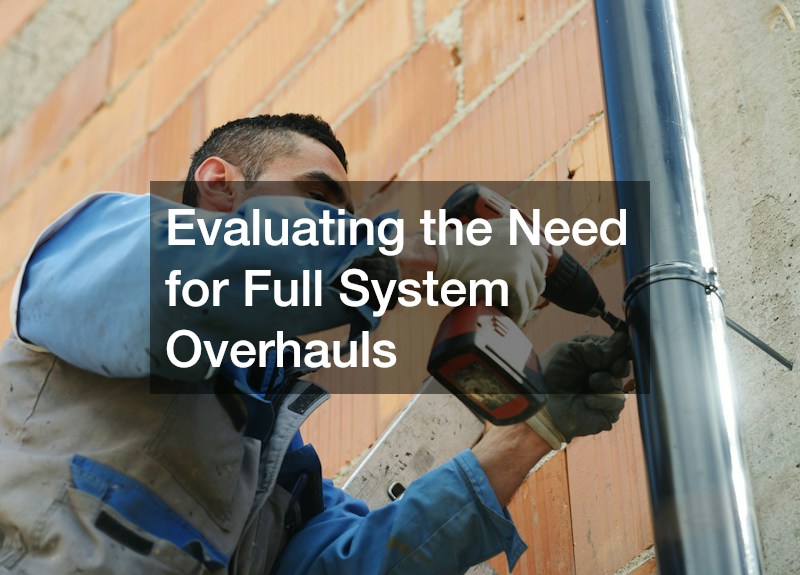
Even with meticulous care, every system eventually reaches the end of its functional life. Age, widespread membrane degradation, thermal blistering, and chronic leaks across multiple zones indicate that simple spot repairs are no longer cost-effective. When maintenance costs begin to escalate, investing in a comprehensive flat roof replacement becomes the most financially sound choice to ensure long-term structural security.
Selecting Qualified Residential Service Specialists
Entrusting your home to an experienced contractor is critical when undertaking major repairs or complete tear-offs. Low-slope applications require specialized tools, hot-air welding equipment, and precise chemical adhesive application methods that differ significantly from standard asphalt shingle installations. Hiring an experienced residential roofing contractor ensures that your project is handled by professionals who understand residential building codes, manufacturer warranty requirements, and proper waterproofing techniques.
Navigating Complete Replacement and Restoration Options
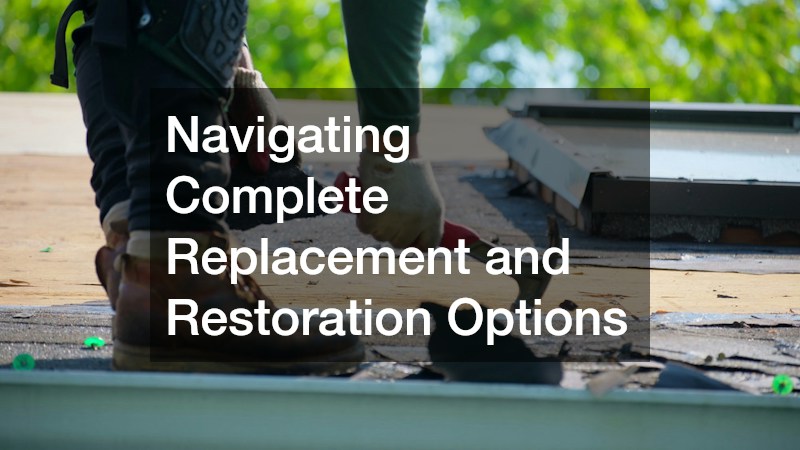
When embarking on a major structural project, property owners have access to various roof replacement services designed to meet different budgets and structural needs. Depending on local building codes and the condition of the existing deck, options for roof replacement services may include a complete tear-off down to the wood framing or a retrofitted recovery board overlay. A full tear-off offers the cleanest start, allowing technicians to rebuild the insulation and membrane layers from the ground up.
Leveraging Industrial Experience for Complex Projects
While residential applications focus heavily on single-family aesthetics and home protection, commercial structures often feature larger footprints and complex mechanical equipment. Engaging local commercial roofers can be advantageous for large-scale residential properties, multi-family units, or residential buildings with flat membrane configurations. Commercial crews bring extensive experience managing large-scale drainage systems, heavy-duty insulation layouts, and complex parapet wall flashings.
Comparing Bids and Choosing the Right Contractor
Selecting from multiple local roofing companies requires careful comparison of scope, warranty terms, and material quality rather than simply picking the lowest bid. A significantly lower price tag can indicate skipped steps, such as omitting new edge flashings, using inferior underlayment, or hiring uninsured subcontractors. Evaluating written bids line by line guarantees you are comparing identical material grades and installation methods.
Long-Term Maintenance and Protecting Your Investment
Partnering with a reliable roofing company for long-term care ensures your new installation remains in peak condition throughout its intended lifecycle. Many professional organizations offer annual or semi-annual service contracts that include scheduled drain cleaning, perimeter checks, surface washing, and minor preventative maintenance. These routine check-ups preserve warranty validity and catch minor wear before it develops into costly emergency leaks.
Investing in long-term exterior care ultimately safeguards your home’s interior, structural framing, and overall market value. By staying proactive, keeping drainage pathways clear, and working alongside certified roofing contractors, new homeowners can enjoy peace of mind knowing their property is fully protected against the elements. A well-maintained low-slope roof provides dependable, hassle-free protection for decades to come.
Ultimately, protecting your property relies on combining informed personal oversight with skilled professional craftsmanship. Choosing experienced contractors who specialize in low-slope applications ensures that every seam, flashing, and drain is installed to the highest industry standards. With regular care, high-quality materials, and expert service, your home’s roof will deliver reliable protection, energy efficiency, and lasting peace of mind for years to come.