
A homeowner starts to see things differently after move-in day. Small flaws stand out. Wear and tear become more noticeable. Over time, attention shifts from simply living in the home to protecting and growing its value. Exterior upgrades play a major role in that process.
The outside of a home shapes first impressions, but it also protects everything inside. Smart improvements can reduce long-term costs, increase resale value, and make daily life more comfortable. This guide walks through how thoughtful exterior upgrades deliver lasting returns—and how to approach them with confidence.
Why Exterior Improvements Matter More Than You Think
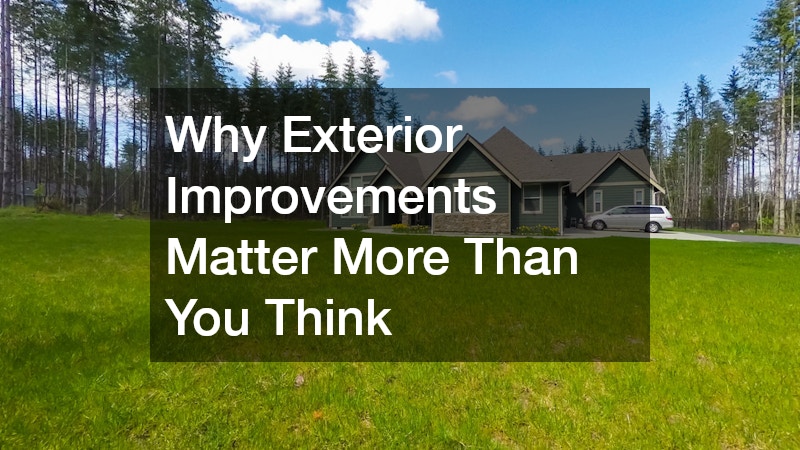
Many homeowners focus on kitchens and bathrooms, but the exterior quietly carries just as much weight. It shields the home from weather, supports energy efficiency, and sets the tone for curb appeal.
When exterior elements begin to fail, the impact spreads quickly. Water intrusion, poor insulation, and structural wear can follow. That’s why early upgrades often cost less than delayed repairs.
Working with experienced local roofers helps identify early warning signs before they turn into major expenses. At the same time, skilled roofers can recommend practical upgrades that improve both durability and appearance.
Key benefits of prioritizing exterior improvements include:
- Increased resale value and buyer interest
- Lower maintenance and repair costs over time
- Better protection against weather damage
- Improved energy efficiency
- Stronger overall structural integrity
The Long-Term Value of a Strong Roof
The roof does more than cover a home—it protects every system beneath it. Even minor issues can lead to significant problems if left unaddressed.
A reliable roofing contractor can assess current conditions and suggest upgrades that extend lifespan. This might include improved materials, better ventilation, or reinforced flashing.
At the same time, coordinating with a building contractor allows homeowners to align roofing work with other exterior upgrades, creating a more efficient timeline and budget.
Signs it may be time to upgrade include:
- Missing or curling shingles
- Water stains on ceilings or walls
- Increased energy bills
- Visible sagging or uneven rooflines
Addressing these issues early prevents more serious structural damage and keeps long-term costs manageable.
Siding Upgrades That Boost Efficiency and Appeal
Siding plays a major role in both insulation and aesthetics. Older materials can allow heat loss, increase energy bills, and reduce visual appeal.
Investing in a siding replacement service improves the home’s thermal performance while giving it a fresh, updated look. Modern siding materials are built to last longer and require less maintenance.
In some cases, homeowners explore alternatives like stucco. A local stucco contractor can provide options that offer durability along with a distinct finish that stands out in the neighborhood.
Benefits of upgrading siding include:
- Better insulation and reduced energy costs
- Increased resistance to moisture and pests
- Enhanced curb appeal
- Lower long-term maintenance needs
These upgrades often deliver a strong return when it comes time to sell.
Gutters: Small Upgrade, Big Impact
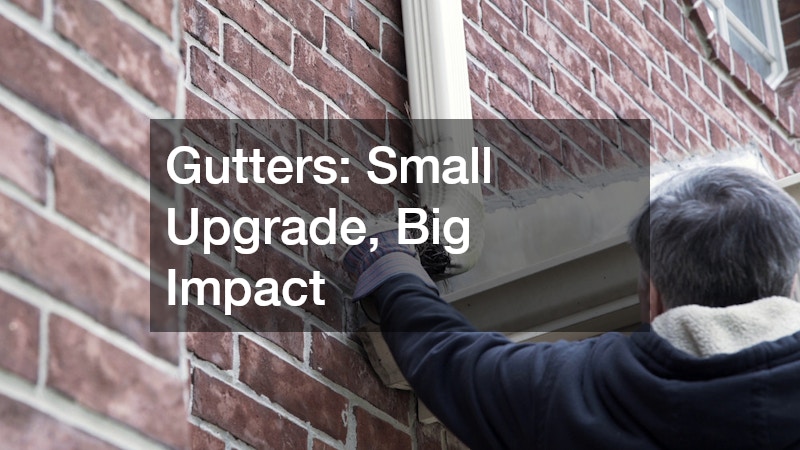
Gutters may not get much attention, but they play a critical role in protecting the home’s foundation and exterior surfaces.
Properly installed seamless gutters reduce leaks and direct water away from vulnerable areas. Compared to traditional systems, they require less maintenance and provide a cleaner look.
Working with professional gutter installers helps homeowners choose the right system based on roof size, slope, and local weather conditions. Regular gutter cleaning also keeps the system functioning properly and prevents overflow issues.
When gutters fail, problems can include:
- Foundation cracks
- Basement flooding
- Roof damage
- Exterior staining
Upgrading this system is a relatively small investment with significant long-term protection.
Exterior Finishes That Elevate Curb Appeal
First impressions matter. A home that looks clean and well-maintained naturally attracts more interest and higher offers.
Fresh paint can transform an aging exterior. Professional painting companies understand how to prepare surfaces properly and select finishes that hold up over time.
At the same time, a trusted building contractor can coordinate improvements like trim updates, minor repairs, and design changes to create a cohesive look.
Simple updates that make a noticeable difference:
- Repainting siding or trim
- Updating front doors and shutters
- Repairing visible cracks or damage
- Refreshing porch or entryway features
These changes help the home stand out without requiring a full renovation.
Protecting Your Investment From Weather Damage
Weather is one of the biggest threats to a home’s exterior. Rain, snow, wind, and heat all take a toll over time.
A proactive approach helps minimize damage. Partnering with local roofers allows homeowners to prepare for seasonal challenges before they hit. At the same time, consistent gutter cleaning prevents water buildup that can lead to costly repairs.
Preventative measures include:
- Inspecting the roof before and after major storms
- Clearing debris from gutters regularly
- Sealing gaps and cracks in exterior surfaces
- Checking siding for signs of wear
Taking action early reduces the risk of emergency repairs and protects long-term value.
Coordinating Multiple Upgrades for Better Results
Exterior improvements often work best when planned together. Instead of tackling projects one at a time, combining efforts can save both time and money.
For example, replacing siding while updating roofing creates a more unified appearance. A roofing contractor can coordinate with a siding replacement service to align materials and timelines.
Benefits of bundling projects include:
- Reduced labor costs
- Shorter project timelines
- Consistent design across all exterior elements
- Fewer disruptions to daily life
Planning ahead allows homeowners to make smarter decisions that pay off over time.
Choosing the Right Professionals Matters
The quality of the work has a direct impact on long-term value. Choosing experienced professionals reduces the risk of poor installation and costly fixes later.
A reputable building contractor can oversee larger projects and ensure each part of the job meets high standards. For specialized work, hiring a local stucco contractor brings expertise that general crews may not offer.
When evaluating contractors, look for:
- Strong local reputation
- Clear communication and detailed estimates
- Proper licensing and insurance
- Proven experience with similar projects
Taking time to choose the right team leads to better results and fewer headaches.
Budgeting for Exterior Improvements
Cost is always a factor, but focusing only on the upfront price can lead to higher expenses later. The goal is to balance affordability with long-term value.
Working with roofers and gutter installers can help homeowners understand where to invest for the best return. Some upgrades may seem optional, but they can prevent major repairs down the line.
Budgeting tips to keep in mind:
- Prioritize upgrades that address structural concerns first
- Set aside funds for routine maintenance
- Consider energy savings when evaluating costs
- Plan projects in phases if needed
A clear plan makes it easier to manage expenses while still improving the home over time.
Maintenance: The Key to Lasting Value
Upgrades alone are not enough. Ongoing care keeps everything performing as expected and extends the life of each improvement.
Regular inspections and small repairs prevent bigger problems from developing. Painting companies can refresh surfaces as needed, while gutter cleaning ensures proper drainage year-round.
Simple maintenance habits include:
- Inspecting exterior surfaces twice a year
- Cleaning gutters and downspouts regularly
- Touching up paint before damage spreads
- Checking for signs of moisture or wear
Consistency makes a noticeable difference in how well the home holds its value.
How Exterior Upgrades Influence Resale Potential
Buyers often judge a home before stepping inside. A well-maintained exterior signals that the property has been cared for, which builds confidence.
Features like seamless gutters, updated siding, and a solid roof can justify a higher asking price. Working with gutter installers and a siding replacement service ahead of listing can improve both appearance and function.
Buyers tend to value:
- Move-in-ready condition
- Energy-efficient features
- Low maintenance requirements
- Clean, updated curb appeal
These factors make the home more attractive in a competitive market.
Creating a Long-Term Improvement Plan
Exterior upgrades are most effective when guided by a clear plan. Instead of reacting to problems, homeowners can stay ahead by scheduling improvements over time.
A roofing contractor can outline the expected lifespan for roofing materials, while a local stucco contractor can recommend maintenance schedules for exterior finishes.
A simple plan might include:
- Short-term fixes for urgent issues
- Mid-term upgrades for efficiency and appearance
- Long-term investments for structural improvements
This approach spreads out costs and keeps the home in strong condition year after year.
Energy Efficiency Starts From the Outside
Energy loss often begins with gaps, aging materials, and poor insulation along the exterior. While interior upgrades help, the outer structure plays a larger role than most homeowners expect.
Working with experienced roofers allows a homeowner to identify ventilation issues that trap heat in the summer and allow warmth to escape in the winter. At the same time, updating drainage systems with seamless gutters helps prevent moisture buildup that can weaken insulation over time.
Improvements that support better efficiency include:
- Upgrading attic ventilation systems
- Sealing gaps around rooflines and siding
- Installing modern materials that reflect heat
- Improving water drainage to protect insulation layers
These changes often lead to lower utility bills and a more comfortable living environment throughout the year.
Preventing Hidden Damage Before It Spreads
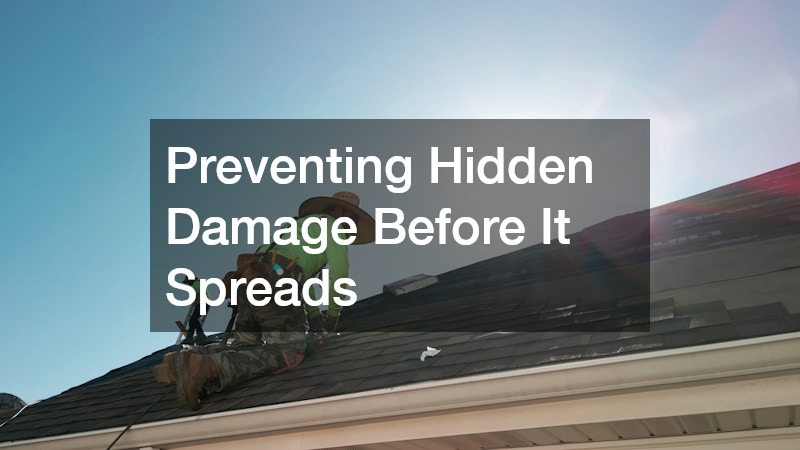
Not all exterior problems are visible at first glance. Moisture can seep behind walls, small cracks can widen, and minor wear can turn into major structural issues if ignored.
Routine inspections from local roofers help catch problems early. In addition, consistent gutter cleaning reduces the chance of water backing up and causing unseen damage along the roofline or foundation.
Warning signs to watch for include:
- Peeling paint or bubbling surfaces
- Musty odors near exterior walls
- Water stains along ceilings or corners
- Cracks forming in siding or trim
Addressing these early keeps repair costs lower and protects the home’s structure over time.
Increasing Property Value Through Modern Materials
Outdated materials can make a home feel older than it is. Upgrading to modern options improves both performance and appearance.
A siding replacement service can introduce materials that resist fading, cracking, and moisture damage. At the same time, a skilled building contractor can recommend combinations that match the home’s style while improving durability.
Popular material upgrades include:
- Fiber cement siding for long-term strength
- Engineered wood for a natural look with less upkeep
- Composite trim that resists rot and insects
- Advanced coatings that hold color longer
These upgrades appeal to buyers looking for a home that won’t require immediate updates.
The Role of Exterior Details in Overall Value
Small details often have a big impact on how a home is perceived. Clean lines, consistent finishes, and well-maintained surfaces create a polished look that stands out.
Professional painting companies can refresh worn areas and bring consistency to the home’s appearance. In homes with textured finishes, a local stucco contractor can repair imperfections and restore a smooth, clean look.
Simple detail-focused improvements include:
- Repairing uneven or damaged surfaces
- Updating trim colors for contrast
- Cleaning and restoring textured finishes
- Replacing worn exterior accents
These upgrades may seem minor, but they contribute to a more complete and well-cared-for appearance.
Reducing Long-Term Repair Costs With Smart Upgrades
Delaying exterior improvements often leads to higher costs later. What starts as a small issue can expand into a larger repair that affects multiple areas of the home.
A roofing contractor can address weak points before leaks develop, while gutter installers can improve drainage to prevent water-related damage. Taking action early reduces the risk of emergency repairs.
Ways to lower long-term expenses include:
- Replacing aging materials before failure
- Improving water management systems
- Reinforcing areas exposed to heavy weather
- Scheduling regular inspections and upkeep
These steps help homeowners stay in control of costs instead of reacting to unexpected problems.
Planning Exterior Projects Around Seasonal Changes
Timing plays a role in how successful exterior upgrades will be. Weather conditions can affect installation quality, material performance, and overall project timelines.
Working with roofers during milder seasons allows for smoother installation and better results. Pairing that with a siding replacement service during optimal conditions helps materials settle properly and last longer.
Seasonal planning tips include:
- Scheduling roofing work during dry months
- Planning painting projects when temperatures are moderate
- Completing drainage upgrades before the heavy rain seasons
- Inspecting the exterior after extreme weather
Choosing the right time for each project helps protect the investment and improve long-term performance.
Final Thoughts
Exterior upgrades are more than cosmetic changes. They protect the home, improve daily comfort, and support long-term value. With the right strategy, each improvement builds on the last, creating a stronger and more appealing property over time. A homeowner who takes a proactive approach sees the difference not just in resale value, but in peace of mind.