
A small drip in the attic or a faint stain on the ceiling rarely feels like an emergency, so it’s easy to tell yourself you’ll deal with it later. But roofs don’t heal themselves, and what starts as a minor nuisance can quietly spread into structural damage, mold, and a repair bill that grows every month you wait. Understanding exactly how a tiny leak escalates can help you make a smarter, faster decision about fixing it. This article breaks down the real costs, hidden risks, and warning signs every homeowner should know.
How Water Finds Hidden Paths Into Your Home

This is why calling a professional roof repair service is often needed to trace the water back to its true origin, using tools like moisture meters, thermal imaging cameras, and a careful visual inspection of the attic space. These methods can reveal wet insulation, discolored wood, or early mold growth long before any of it becomes visible from inside the living space.
- Water follows the slope of the decking, sometimes traveling several feet before dripping into living spaces
- Insulation can trap moisture like a sponge, hiding leaks from view for weeks or months while mold quietly develops
- Ceiling stains often appear far from the actual entry point, since water travels along joists and framing before pooling
- Multiple layers of roofing material, such as old shingles left under new ones, can mask the true source of a leak
- Nail holes and flashing seams offer easy, invisible entry points that don’t reveal themselves until damage spreads
- Gravity and roof pitch determine the final drip location, so the visible damage rarely lines up directly with the leak above
The Structural Damage That Builds Over Time
Wood framing and roof decking are designed to stay dry, and continuous exposure to moisture weakens them at a cellular level. Over months, this can lead to soft spots, sagging, or even partial collapse in severe cases. What might have been a fifty dollar patch early on can turn into a full section of decking and framing needing replacement. The longer water sits against wood, the more it compromises the integrity of the entire roof system.
Beyond the roof itself, structural water damage can spread to walls, ceilings, and even the foundation of your home if leaks go unaddressed long enough. In some cases, moisture that seeps behind exterior walls also damages the siding, which is why homeowners sometimes end up calling both roofing specialists and siding contractors to fully resolve the problem. Poor or outdated gutter installation can make matters worse by allowing water to pool near the roofline instead of draining safely away from the house. This kind of damage is far more expensive and disruptive to repair than the original leak ever would have been. Homeowners often underestimate how quickly a five-dollar problem becomes a five-thousand-dollar one once framing is involved.
Mold and Air Quality Problems From Trapped Moisture
Mold needs only moisture, warmth, and organic material to thrive, and a leaking roof provides all three in abundance. Wood sheathing, insulation paper, and drywall are all it takes to sustain a colony, and mold can begin forming within 24 to 48 hours of sustained dampness. Once spores take hold in your attic or wall cavities, they can spread quickly and become airborne, affecting the air quality throughout your entire home.
The problem often stays hidden longer than homeowners expect. Mold frequently grows behind insulation, under subflooring, or inside wall cavities where no one thinks to look until the smell becomes noticeable or a remediation specialist finds it during an inspection. By that point, colonies may have spread several feet beyond the original leak site, following moisture along joists and framing.
This is especially concerning for households with children, elderly residents, or anyone with asthma or allergies. Exposure to mold spores can trigger coughing, wheezing, sinus congestion, and skin irritation, and in more sensitive individuals it can worsen existing respiratory conditions. Some species, like Stachybotrys chartarum (often called “black mold”), are associated with more severe health complaints when exposure is prolonged.
Remediation costs also climb the longer mold is left untreated. A small, contained patch might cost a few hundred dollars to clean up, but extensive infestations that require removing drywall, insulation, or flooring can run into the thousands, on top of whatever it costs to actually fix the roof.
- Mold can begin growing within 24 to 48 hours of sustained moisture exposure, especially in warm, humid attic spaces
- Hidden mold behind drywall, insulation, or subflooring often requires professional remediation rather than simple surface cleaning
- Musty odors are frequently the first sign of a mold problem, even before any visible staining appears
- Poor air quality from mold can trigger respiratory symptoms, headaches, and allergy-like reactions such as coughing or itchy eyes
- Household members with asthma, allergies, or weakened immune systems face higher risks from prolonged mold exposure
- Remediation costs rise quickly once mold spreads into wall cavities, ductwork, or shared living spaces
Insulation Damage and Rising Energy Bills
Wet insulation loses much of its ability to regulate temperature, which means your heating and cooling systems have to work harder to keep your home comfortable. Fiberglass batts, in particular, can lose more than half their R-value once saturated, and that loss often persists even after the material appears to dry on the surface. Over time, this inefficiency shows up directly on your monthly energy bills, with homeowners commonly reporting increases of 10 to 25 percent as their HVAC system compensates for the compromised barrier.
Insulation that has been soaked repeatedly often needs to be fully replaced rather than dried out, adding another unexpected expense to the list. Depending on the size of the affected area, replacement can run anywhere from a few hundred dollars for a small attic section to several thousand for whole-room jobs, especially if drywall or flooring has to come out first to access it. Mold growth within damp insulation can further complicate the situation, sometimes requiring professional remediation before new material can even be installed.
A small leak left alone can quietly cost you money every single month, not just at the point of repair. That ongoing drain is easy to overlook because it rarely appears as a single, obvious charge—it simply blends into a higher utility bill that feels normal over time. By the time the damage is visible, you may have already paid for months or years of wasted energy on top of the eventual repair costs.
When a Minor Repair Turns Into a Full Replacement
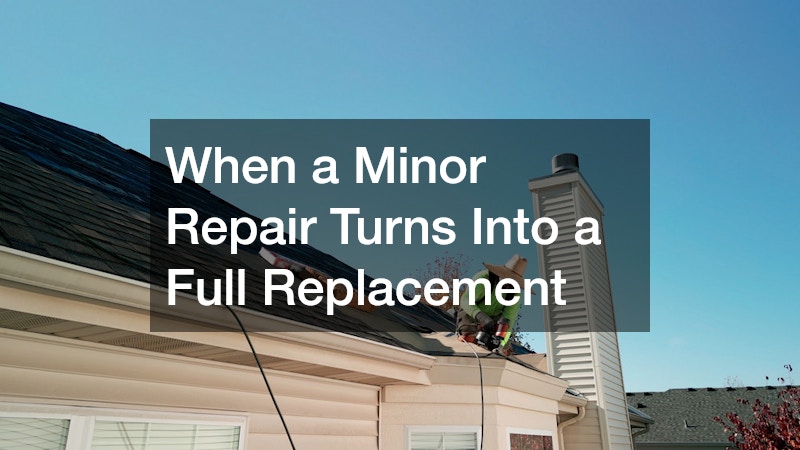
Many homeowners assume a leak means a quick patch job, but if the damage has spread across multiple layers of roofing material, a simple fix may no longer be possible. At this stage, a roofing replacement becomes the more practical and cost-effective option compared to repeatedly patching failing sections. Waiting too long essentially removes your cheaper options from the table entirely. It’s a hard lesson many homeowners learn only after the damage has already progressed significantly.
The tipping point between repair and replacement usually depends on the age of the roof, the extent of water infiltration, and how much of the underlying structure has been compromised. A newer roof with an isolated leak is almost always repairable, while an older roof with widespread moisture damage often is not, sometimes making a fresh roof installation the more sensible long-term choice. Getting an honest assessment early gives you far more flexibility and far lower costs than waiting until the decision is made for you.
Why Professional Diagnosis Beats Guesswork
It’s tempting to grab a caulk gun and seal whatever crack looks suspicious, but roof leaks are often more complicated than they appear from the ground or attic. A qualified roofing contractor uses moisture meters, thermal imaging, and physical inspection techniques to trace leaks back to their true source. This level of diagnosis matters because sealing the wrong spot can give you a false sense of security while the actual problem keeps spreading underneath.
- Professional inspections identify secondary damage you cannot see from inside
- Trained roofers know which failure points are common for your specific roofing material
- Accurate diagnosis prevents wasted money on repeated, ineffective patch jobs
- Documentation from an inspection can support insurance claims if needed
What a Timely Repair Actually Costs Compared to Waiting
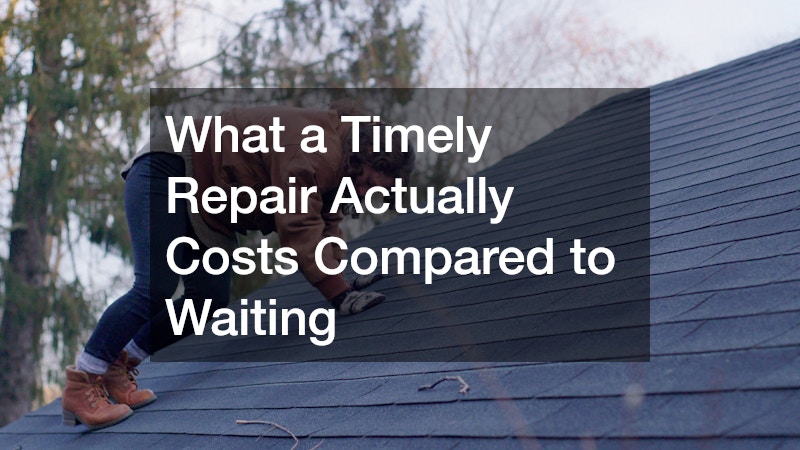
A roofing service called in at the first sign of a leak typically costs a few hundred dollars for materials and labor, especially if the damage is limited to a small area of shingles or flashing. Sometimes the fix is even simpler, like proper gutter installation to redirect water away from a vulnerable spot on the roofline. Compare that to the cost of replacing rotted decking, damaged insulation, drywall, and potentially remediating mold, and the math becomes obvious very quickly. Acting early is almost always the cheaper path, even though it may not feel urgent at the time.
Insurance can sometimes help offset costs, but most policies exclude damage that resulted from neglect or a lack of reasonable maintenance. This means waiting too long to address a known leak could leave you covering the entire repair bill yourself. Keeping records of when you noticed an issue and when you addressed it can also matter if you ever need to file a claim.
Choosing the Right Team for Roof and Exterior Repairs
Not every roofing company offers the same level of expertise, warranty coverage, or responsiveness, so it pays to do some research before hiring anyone to climb onto your home. Start by confirming the basics: active state licensing, general liability insurance, and workers’ compensation coverage, since a leak repair gone wrong can turn into a much bigger liability without those protections in place.
Look for a residential roofing specialist with verifiable reviews, proper licensing, and experience with your specific roof type, whether that’s asphalt shingle, metal, or tile. Ask how long they’ve worked in your area, since local contractors tend to know regional weather patterns, common material issues, and permitting requirements better than out-of-town crews. It’s also worth requesting two or three references from jobs completed in the past year to see how the work has held up over time.
Get at least two or three written estimates before committing, and compare not just the price but what’s actually included, such as underlayment replacement, flashing repair, or cleanup. A reputable roofing company should also be willing to walk you through their findings and explain their recommended approach in plain language, including photos of any damage they find during inspection.
Finally, check what kind of warranty backs both the materials and the labor. A contractor offering a five-year workmanship guarantee alongside a manufacturer’s material warranty gives you far more protection than one who simply patches the leak and disappears.
While you’re addressing roofing issues, it’s often worth having a broader conversation about your home’s exterior systems, since problems tend to overlap. A trustworthy residential roofing team will often flag related concerns, since water damage at the roofline frequently affects siding, fascia, and trim as well. Left unchecked, moisture can wick into wood trim and cause rot that spreads several feet from the original leak point, turning a simple patch job into a much larger repair.
When vetting a contractor, ask whether they inspect gutters, downspouts, flashing, and soffits as part of a standard roof evaluation, not just the shingles themselves. A company that only looks at the roof surface may miss early warning signs like peeling paint near the eaves or soft spots in the fascia board. Request a written estimate that breaks down labor and materials separately, and confirm they carry both liability insurance and workers’ compensation coverage.
Similarly, making sure water is properly channeled away from your roof edges and foundation plays a major role in preventing future leaks from forming in the first place. This means checking that gutters are correctly pitched, downspouts extend at least four to six feet from the foundation, and grading around the house slopes away from the structure. A qualified team should be comfortable discussing all of these elements together, rather than treating the roof as an isolated system disconnected from the rest of the home’s exterior.
- Ask for local references and recent project photos, ideally from jobs completed in the last one to two years
- Confirm licensing, insurance, and warranty terms in writing, including workers’ comp coverage and warranty length for both labor and materials
- Request a written estimate that details materials and labor separately, and compare at least two or three quotes before deciding
- Ask whether the crew inspects flashing, fascia, and drainage areas as part of a full exterior assessment
- Verify they pull required permits and follow local building codes rather than skipping paperwork to save time
- Get a clear timeline and payment schedule, avoiding contractors who demand full payment upfront
A small roof leak might seem easy to ignore, but the true cost shows up later in the form of structural damage, mold remediation, higher energy bills, and sometimes a full roof replacement that could have been avoided. The smartest move is to have any suspected leak inspected as soon as you notice it, rather than waiting to see if it gets worse. Reach out to a qualified local professional for an honest assessment, and treat that small stain or drip as the early warning sign it truly is.