
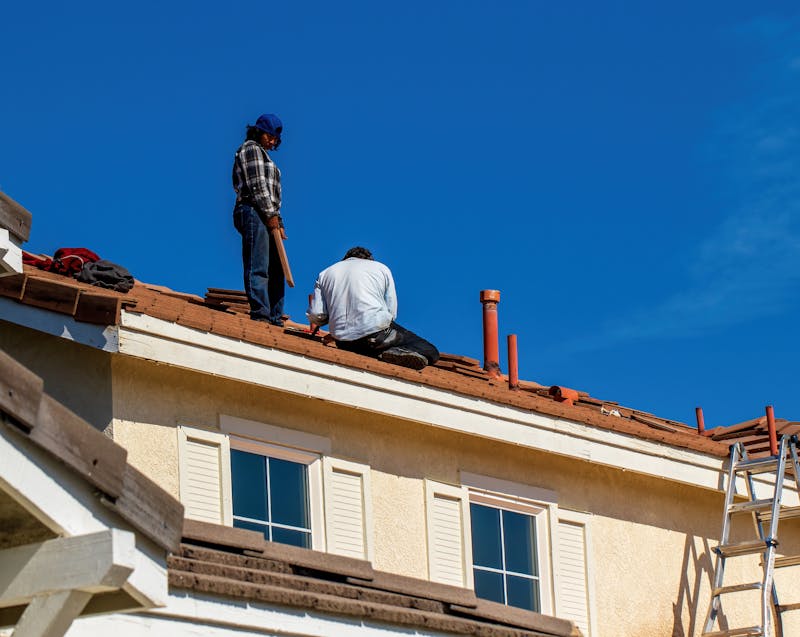
- Active leaks, sagging structures, and storm damage are urgent signs you need emergency roof repair.
- Missing or damaged shingles, clogged gutters, and failed flashing can quickly escalate into costly emergencies.
- Interior water stains and mold growth often indicate hidden roof damage requiring immediate attention.
- Quick actions—like tarping, moving valuables, and documenting damage—can minimize further losses while waiting for professionals.
- Preventive maintenance, such as regular inspections and gutter cleaning, reduces the risk of sudden roof emergencies.
- Choosing licensed and insured contractors ensures safe, effective emergency roof repair and smooth insurance claim support.
A roof protects your home from rain, wind, snow, and sun, acting as the first line of defense against the elements. When it fails unexpectedly, the results can be devastating—ranging from water damage and mold growth to compromised structural safety. Many homeowners often ask, “Where can I find emergency roof repair services when urgent problems appear?”, but before that question arises, it’s essential to recognize the warning signs that signal you may already need immediate intervention.
In this article, we’ll walk through the top signs that your roof requires urgent repair, explain what you should do while waiting for professional help, and provide actionable maintenance strategies to prevent emergencies from happening in the first place.
Understanding Emergency Roof Repair
Not all roofing problems are emergencies. A loose shingle that hasn’t exposed your home to leaks might be inconvenient, but it doesn’t always require a midnight call to a contractor. Emergency roof repair is defined by issues that pose immediate risks to your property, safety, or health. These situations demand urgent solutions to minimize damage and maintain your home’s livability.
Some common conditions that require urgent roof repairs include:
- Sudden roof leaks during heavy rain.
- Severe storm damage from wind, hail, or falling branches.
- Structural sagging or risk of collapse.
- Fire or pest damage that compromises the roof’s stability.
When these problems occur, homeowners often find themselves searching phrases like where can I find emergency roof repair near me, highlighting the urgency and the need for quick solutions.
Sign #1 – Active Roof Leaks and Water Intrusion
One of the most obvious signs that you need emergency roof repair is active water intrusion. Even small leaks can escalate quickly, leading to widespread damage. Water often finds its way into insulation, electrical systems, and drywall, creating both structural and safety hazards.
Homeowners should act fast when spotting signs of roof leaks, which can include:
- Dripping water from the ceiling during rain.
- Brown or yellow stains on walls and ceilings.
- Damp or musty odors in attic spaces.
- Wet insulation or rotting wooden beams.
Temporary actions before professional help arrives:
- Place buckets or large containers under drips to prevent floor damage.
- Use waterproof tarps to cover the affected roof area, if safe to do so.
- Move furniture, electronics, and valuables away from the leak’s path.
- Shut off electricity in the affected area to reduce electrical hazards.
These immediate steps buy you time while you determine where you can get emergency roof repair service locally.
Sign #2 – Missing or Severely Damaged Shingles

Shingles are the protective armor of your roof. When they go missing or break apart, the underlying decking and insulation are exposed to water and wind damage.
Causes include:
- Strong wind gusts blowing shingles away.
- Hailstorms cracking or shattering materials.
- Aging shingles losing granules and weakening.
Signs to look for:
- Patches of roof that appear bare after a storm.
- Shingles lying scattered around your yard.
- Cracked, curled, or lifted shingles.
- Grit-like debris from shingles accumulating in gutters.
Delaying repair can accelerate roof deterioration, forcing homeowners to search for emergency roof repair immediately after storm season.
Sign #3 – Sagging Roof Structure
A sagging roof is a critical warning sign that requires urgent attention. Unlike missing shingles, sagging often points to deeper structural issues that compromise the safety of your entire home.
Causes:
- Long-term water damage weakening rafters or trusses.
- Poor construction or overloaded roof decks.
- Heavy snow or ice buildup stressing the structure.
Warning indicators:
- Visible dips or uneven ridges on the roofline.
- Interior ceilings bowing downward.
- Cracks appearing along the tops of walls.
- Creaking sounds when walking in the attic.
If you notice any of these red flags, it’s not just about wondering where to find emergency roof repair contractors, but ensuring you act immediately to avoid collapse.
Sign #4 – Extensive Storm Damage
Storms bring high winds, hail, and flying debris that can damage even well-maintained roofs. In some cases, damage is obvious—a tree branch crashes through your roof. Other times, the destruction is more subtle, such as loosened flashing or small punctures that later grow into larger leaks.
Key signs of storm damage include:
- Dents in shingles or flashing from hail impact.
- Cracks in roof vents or skylights.
- Detached gutters and downspouts.
- Large debris lodged in or on the roof.
After any major storm, homeowners often look for emergency roof repair inspection specialists. Getting an assessment quickly ensures hidden damage is addressed before it escalates into serious issues.
Sign #5 – Interior Water Stains and Mold Growth
Water intrusion doesn’t always appear as an obvious drip. Sometimes, it manifests as interior water stains or mold growth that seems to spread without explanation. These are warning signs that your roof is already compromised.
Indicators to watch for:
- Yellow, brown, or copper-colored stains on ceilings and walls.
- Black, green, or white mold spots appearing in corners.
- A persistent musty odor in rooms or attics.
- Warping or bubbling paint on walls.
Health risks:
- Mold spores can aggravate allergies, asthma, and respiratory conditions.
- Prolonged exposure can damage household materials beyond repair.
This type of damage often triggers urgent searches for emergency roof repair services for mold-related issues, as remediation becomes more expensive over time.
Sign #6 – Damaged Flashing and Roof Penetrations
Flashing is the metal or rubber seal installed around chimneys, vents, and skylights to prevent leaks. When flashing deteriorates or detaches, water can easily seep inside.
Signs of flashing failure:
- Rust or corrosion around roof penetrations.
- Gaps where flashing has lifted away from the roof surface.
- Cracked vent boots or deteriorated seals around skylights.
- Water pooling around chimneys.
Because flashing is a small but critical component, damaged sections often go unnoticed until major leaks occur. At this point, homeowners quickly turn to professionals to replace or reseal damaged flashing.
Sign #7 – Clogged Gutters Leading to Roof Damage

While gutters may not be part of the roof itself, they play an essential role in protecting it. Clogged gutters cause water to back up under shingles, creating conditions for leaks and ice dams.
Warning signs include:
- Gutters overflowing during rainfall.
- Icicles forming along the roofline in winter.
- Sagging gutters pulling away from fascia boards.
- Water stains or rotting wood near eaves.
What to Do When You Notice These Signs
Recognizing the signs of roof trouble is only half the battle. Knowing how to respond effectively can minimize further damage.
Immediate steps to take:
- Document the damage with photos and videos for insurance claims.
- Clear the area beneath leaks to protect belongings.
- Safely apply temporary tarps if the weather allows.
- Contact an emergency roofing professional as soon as possible.
Remember that speed should not outweigh safety. Avoid climbing onto the roof during storms or at night—leave risky tasks to trained contractors.
Preventive Maintenance to Avoid Emergencies
While some emergencies are unavoidable, many can be prevented with consistent care. Preventive maintenance reduces the likelihood of sudden roof failure and lessens the need for emergency calls.
Recommended strategies:
- Schedule professional roof inspections twice a year, especially after storm seasons.
- Clean gutters regularly to prevent water backup and ice dams.
- Trim nearby trees to reduce the risk of falling branches.
- Replace aging shingles or roofing materials before they fail.
- Ensure proper attic ventilation to prevent moisture buildup.
How to Find Emergency Roof Repair Services Quickly
When an emergency strikes, time is of the essence. The search for a reliable contractor often starts online or through local recommendations.
Practical steps to locate urgent roof repair services:
- Search online for emergency roof repair near me to find nearby professionals.
- Call local roofing contractors that offer 24/7 services.
- Ask neighbors, friends, or family for trusted referrals.
- Check online reviews to verify reliability and responsiveness.
- Confirm that the contractor is licensed, insured, and experienced in emergency repairs.
Questions to ask before hiring:
- Do you provide same-day or 24/7 emergency services?
- Can you provide temporary fixes until permanent repairs are scheduled?
- Do you work with insurance companies for claims processing?
- What safety measures do you follow during storm conditions?
Being prepared with these questions helps homeowners avoid scams and ensures they get the right help during urgent situations.
Conclusion
Your roof is one of the most critical parts of your home, and emergencies can escalate faster than most homeowners expect. From active leaks and missing shingles to sagging structures and storm damage, the signs of trouble should never be ignored.
The next time you notice water stains, damaged flashing, or clogged gutters, don’t wait. Take immediate steps to protect your home and seek out qualified professionals. While it’s natural to wonder where you can find emergency roof repair in the middle of a crisis, recognizing the early warning signs and practicing preventive maintenance ensures that you’ll be ready long before disaster strikes.
Investing in proactive care and knowing where to turn for urgent repairs can mean the difference between a manageable repair bill and extensive home restoration costs.