

Homeownership brings undeniable freedom and long-term equity, but it also carries the ongoing responsibility of property care. Every residential building functions like a complex ecosystem where structural components, plumbing networks, electrical circuits, and climate systems depend on one another. Neglecting a routine issue in one area often causes an expensive domino effect elsewhere in the house. A proactive seasonal strategy shifts the approach from reactive emergency response to organized preventative care. By aligning specific home maintenance tasks with changing weather patterns, homeowners protect their financial investment, maintain high indoor comfort, and avoid sudden repair bills. Knowing when to consult experienced roofers for structural envelope protection ensures that roof shingles, gutters, and roof deck flashing remain resilient against seasonal storms throughout the entire year.
A well-planned seasonal maintenance schedule does not require overwhelming effort or technical mastery. Instead, it relies on consistency and structured seasonal reviews that focus on priority items every three months. Partnering with a reliable local plumber for drain inspections and pipe evaluations keeps internal water distribution systems working smoothly. When physical structures and mechanical systems are checked at the right times, small warning signs are caught before they turn into major structural or functional failures. Inspecting outdoor drainage after winter thaws, optimizing air conditioning performance before summer heat waves, flushing water heaters before fall cold snaps, and checking electrical loads before winter storms all contribute to long-term property stability. Every season presents unique weather challenges, from freezing temperatures and heavy snow loads to extreme summer heat and torrential rain. Taking time to inspect high-risk areas every quarter safeguards interior living spaces against water intrusion, energy loss, and sudden mechanical breakdowns. Establishing routine home audits also helps families plan upkeep expenses predictably over time while protecting overall home equity. This playbook breaks down essential tasks into four distinct seasons, highlighting critical maintenance milestones, professional inspections, and practical strategies to keep every room in top condition.
Spring: Exterior Inspections and Post-Winter Recovery
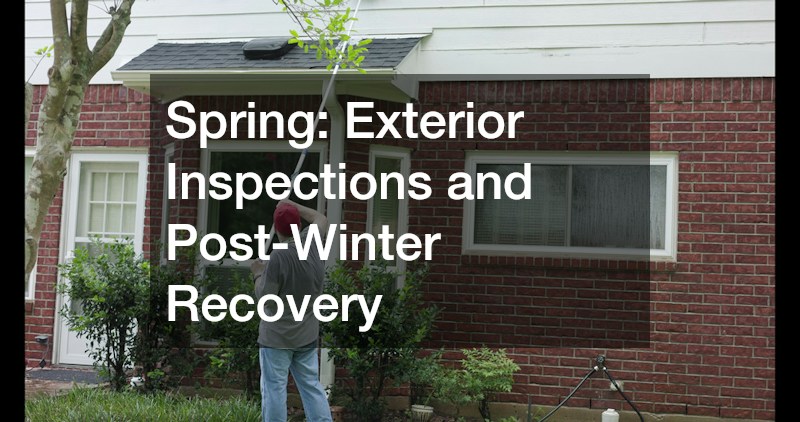
Spring represents a critical turning point for residential care. As winter ice melts and heavy spring rains arrive, houses face significant moisture pressure from every direction. The primary objective during these warmer months involves assessing winter damage, clearing drainage pathways, and preparing the property for rising temperatures. Water intrusion remains the single greatest threat to a home’s foundation and structural integrity, making early spring the ideal period to inspect ground slope, gutters, downspouts, and sub-grade drainage systems.
Ground level moisture management requires close attention to how water accumulates near foundation walls. Saturated soil creates immense hydrostatic pressure against basement barriers, which can manifest as damp wall spots, hairline cracks, or standing floor water. Homeowners who observe persistent humidity, efflorescence buildup, or standing water near subterranean walls should consult specialists offering basement waterproofing services. Early intervention with proper sump pump testing, exterior membrane repair, or internal drainage installation prevents costly structural settling and interior mold growth. Testing sump pump float switches by pouring a bucket of water into the basin ensures the backup drainage system triggers automatically when heavy rains hit.
Inside the home, spring cleaning provides an excellent opportunity to evaluate high-moisture interior areas like bathrooms and kitchens. Freezing winter temperatures and shifting humidity levels often degrade grout and silicone seals around sinks, tubs, and showers. Water that creeps behind tiles slowly rots wall studs and subflooring long before damage appears on the surface. Engaging professional tile restoration services during the spring allows homeowners to regrout, reseal, and repair damaged tile assemblies. This simple step restores water-tight barriers, halts concealed moisture damage, and keeps tile surfaces looking pristine for years to come.
Outside, spring inspection requires a thorough ground-level audit of the building envelope. Homeowners should walk the perimeter with binoculars to spot loose siding, deteriorated masonry, or damaged window caulking. Downspouts should discharge water at least five feet away from foundation walls to prevent soil erosion. Clearing tree branches that overhang the roof line reduces shade, limits moss growth, and prevents falling debris from damaging structural materials during spring thunderstorms. Checking exterior hose bibs for winter frost damage before attaching hoses also prevents internal wall leaks when the main supply is turned back on. Inspecting decks, patio pavers, and concrete driveways for winter heave cracks allows early surface patching before weeds take root.
Summer: Cooling Efficiency and Interior Upgrades

When summer arrives, property maintenance shifts focus toward energy efficiency, indoor climate management, and interior living comfort. Rising outdoor temperatures put heavy demands on cooling units, while increased indoor humidity challenges ventilation systems. Summer is the optimal season to focus on mechanical efficiency and complete indoor modernization projects that improve daily usability and elevate home comfort.
Cooling equipment must operate reliably during peak heat waves to maintain safe indoor temperatures and manage humidity levels. Dust accumulation, worn electrical contacts, and restricted refrigerant lines force air conditioning units to run longer, spiking electricity bills and increasing the risk of full system failure. Homeowners who notice warm air flowing from supply vents, unusual rattling noises, or frequent cooling cycles should schedule prompt HVAC repairs with qualified technician specialists. Timely cooling service ensures proper refrigerant levels, clean condenser coils, and optimized thermostat calibration before midsummer heat hits its peak. Clearing vegetation at least two feet around outdoor condenser units promotes unrestricted airflow and boosts overall cooling capacity.
Summer is also a popular time for aesthetic and functional updates in high-use spaces like the primary bathroom suite. Modernizing fixtures and enclosures not only improves daily convenience but also enhances overall property value. Upgrading an outdated shower curtain or framed metal door to a sleek glass shower door enclosure creates a spacious, modern look while offering superior water containment. Heavy tempered glass doors, when correctly aligned and sealed, eliminate floor leaks, prevent hidden subfloor water damage, and reduce the time needed for routine bathroom cleaning.
Energy conservation during summer extends beyond mechanical cooling. Homeowners should inspect window treatments and consider installing solar shades or thermal curtains on south- and west-facing windows to minimize solar heat gain. Attic insulation should also be evaluated to ensure adequate depth, as under-insulated attics trap heat and radiate warm temperatures directly into upper-level bedrooms. Simple tasks like reversing ceiling fans to run counterclockwise create a gentle wind-chill effect, allowing thermostat settings to remain slightly higher without sacrificing physical comfort. Regularly cleaning outdoor grill areas, power washing decks, checking exterior security lighting, and replacing torn window screens keep summer living spaces safe, functional, and pleasant for family gatherings.
Autumn: System Audits and Heating Preparation

Autumn serves as the ultimate preparation window before freezing winter conditions arrive. As leaves fall and outdoor temperatures cool, property maintenance prioritizes heating system readiness, air quality control, and thermal envelope sealing. Addressing drafty windows, clogged vents, and water heating components in autumn ensures that homes remain warm, safe, and energy-efficient throughout the coldest months of the year.
Indoor air quality becomes a paramount concern when windows remain closed for the season. Over months of continuous operation, furnace blowers pull dust, pet dander, pollen, and renovation debris into hidden duct networks. When the heating system kicks on, these trapped particles circulate through every living space, triggering allergies and restricting airflow. Scheduling a certified air duct cleaner in early autumn removes accumulated debris from supply and return channels. Clean ductwork improves overall HVAC airflow, reduces fan motor strain, and creates a healthier indoor environment for the entire household.
Heating water efficiently represents another major priority as cold incoming ground water forces water heaters to work significantly harder during autumn and winter. Sediment accumulation at the bottom of traditional tank units reduces heating efficiency and accelerates tank corrosion. Homeowners should seek professional water heater services to flush sediment, inspect sacrificial anode rods, and test temperature-pressure relief valves. Maintaining the water heating unit ensures a reliable supply of hot water during winter while preventing unexpected tank ruptures or leaks during freezing weather.
Draft prevention plays an equally vital role in autumn preparation. Homeowners should inspect weather stripping along exterior doors and apply fresh caulking around window frames where old sealant has cracked or shrunk. Unsealed gaps permit cold drafts to enter while letting expensive heated air escape. Installing insulated foam gaskets behind electrical outlets and switch plates located on exterior walls offers an inexpensive, highly effective way to block minor drafts before winter sets in. Autumn is also the right time to clean leaves out of gutters to prevent ice dams from forming along eave edges once freezing snow arrives. Checking attic vent openings ensures proper attic airflow, which prevents moisture condensation from collecting on the underside of roof decking. Inspecting fireplaces and chimneys for flue obstructions or creosote buildup before lighting the first fire of the season keeps families safe.
Winter: Electrical Safety and Water Quality Checks

Winter presents unique operational challenges for residential properties. Shorter daylight hours, freezing temperatures, and heavy reliance on indoor appliances put added stress on electrical grids and domestic water networks. Winter maintenance focuses primarily on interior safety checks, freeze prevention, and water quality optimization.
Increased electrical usage during winter, ranging from space heaters and holiday lighting to continuous indoor appliance operation, can overload aging circuits and panel boards. Tripped breakers, flickering lights, or warm switch plates indicate underlying electrical strain that requires expert attention. Partnering with licensed local electricians allows homeowners to conduct comprehensive electrical audits, replace outdated receptacles with modern Ground Fault Circuit Interrupter outlets, and verify panel capacity. Professional electrical checks prevent dangerous short circuits and ensure the home comfortably handles heightened power demands during peak winter months. Testing smoke and carbon monoxide detectors monthly throughout winter adds another essential layer of family safety.
Water quality management also takes center stage during winter when families spend more time indoors cooking and drinking tap water. Cold weather can alter local municipal water treatment processes or increase sediment loads in private well supplies. Installing or servicing a whole-home water filtration system removes chlorine, heavy metals, hardness minerals, and particulate matter at the main entry point. Clean, filtered water protects internal plumbing pipes from scale buildup, extends appliance lifespan, and provides pristine drinking water throughout the winter season.
Freezing pipe prevention requires daily vigilance when temperatures plummet below freezing. Homeowners should keep interior thermostats set to at least 55 degrees Fahrenheit, even when traveling, and open cabinet doors under sinks located along exterior walls to allow warm air circulation. Disconnecting outdoor garden hoses and shutting off interior supply valves leading to hose bibs prevents water from freezing and bursting copper or PEX pipes inside wall cavities. Monitoring attic space temperature, keeping garage doors closed to protect adjoining water supply lines, and checking exposed basement pipes for proper insulation wraps further reduce the risk of winter plumbing emergencies during sudden freeze events.
Establishing an Annual Maintenance Budget and Schedule
Maintaining a residential property efficiently requires a structured financial plan alongside a physical checklist. Experts generally recommend setting aside one to two percent of a home’s total market value each year into a dedicated maintenance reserve account. This fund covers routine seasonal service calls, minor material updates, and emergency repairs without disrupting household finances. Having funds readily available eliminates stress when unexpected equipment repairs or structural touch-ups are needed.
Creating a central home maintenance binder or digital log helps record service dates, contractor contact details, warranty information, and equipment model numbers. Documenting every inspection, filter change, and professional service call creates a clear record of proper home stewardship. This organized history not only simplifies ongoing seasonal scheduling but also serves as a strong selling point when the time comes to list the property on the real estate market. Prospective buyers gain confidence knowing that every mechanical system received consistent, professional attention over the years.
Developing strong long-term relationships with certified regional contractors streamlines property management across every season. Having trusted, licensed trade professionals familiar with the home’s specific mechanical layout ensures quick service response times when emergencies arise. Planning ahead for multi-year capital replacements, such as roof shingle upgrades or heating unit swaps, prevents financial surprises down the road. Ultimately, adhering to a comprehensive seasonal playbook transforms home maintenance from an intimidating chore into a predictable, manageable routine that preserves property value, optimizes energy usage, and enhances daily living comfort for decades to come.