
Key Takeaways:
-
Hail damage is often subtle and can go unnoticed, so early inspection is crucial to prevent leaks and structural issues.
-
Safe roof inspection techniques—like using binoculars, checking gutters, and photographing damage—help identify problems without unnecessary risk.
-
Visual signs of hail damage include dents, bruises, granule loss, cracked or split shingles, exposed matting, and surface marks on siding.
-
Gutters and downspouts can reveal damage through granule accumulation, dents, and broken shingle fragments, providing clues about roof impact.
-
Interior signs such as water stains, damp spots, mold, or missing insulation may indicate hidden hail damage.
-
Routine inspections, maintenance, and prompt repairs are essential to prevent minor damage from escalating into costly roof replacements.
-
Documentation and timely communication with insurance providers are key to ensuring proper coverage for hail-related roof damage.
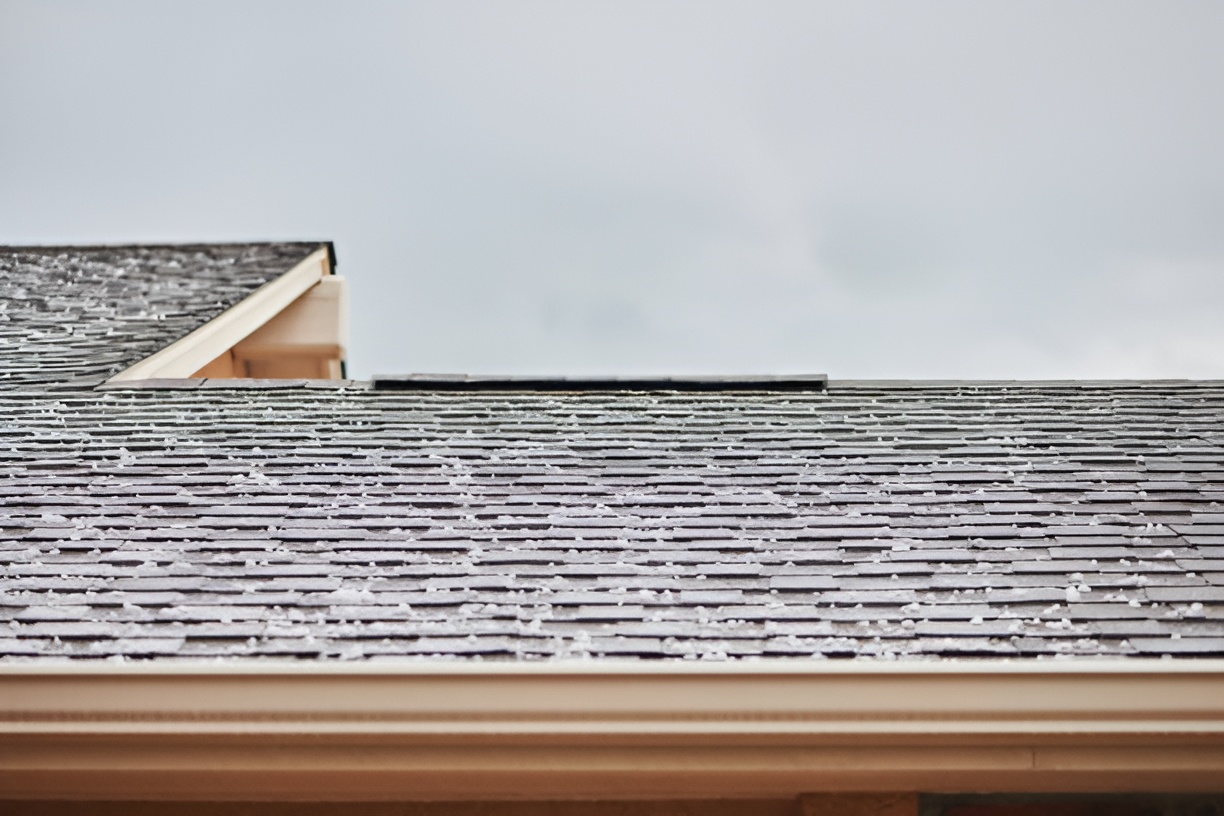
Hailstorms can strike unexpectedly, leaving homeowners worried about hidden damage to their roofs. Even small hail can weaken shingles, compromise roof integrity, and shorten the lifespan of your roofing system. Knowing how to identify hail damage early can save you thousands in repairs and prevent leaks or structural issues down the line.
In this guide, we’ll walk you through the most common signs of hail damage, how to inspect your roof safely, and what steps to take if you discover a problem.
Why Is Hail Damage Hard to Spot?
Hail doesn’t always leave obvious holes or tears. Many homeowners assume their roof is fine after a storm, only to discover leaks months later. Hail damage is often subtle, affecting the granules on asphalt shingles or causing microfractures that aren’t visible from the ground.
Other factors that make hail damage tricky to spot:
-
Older roofs may already have wear that masks damage.
-
Damage can appear gradually over time.
-
Roofing materials like metal or tile can dent without breaking.
Being proactive and knowing what to look for is key to protecting your home.
How Can You Inspect Your Roof Safely?
Climbing onto your roof isn’t always necessary—or even recommended. Many issues can be spotted from the ground or with a safe step ladder, but safety should always come first.
Tips for safe inspection:
-
Wait for calm conditions: Never inspect during rain, high winds, or icy conditions. Even small amounts of moisture can make shingles slippery and dangerous.
-
Wear proper footwear: Sturdy shoes or boots with good traction reduce the risk of slipping. Avoid sandals or smooth-soled shoes.
-
Assess roof accessibility: If your roof is steep, very high, or has loose shingles, it’s safer to use binoculars from the ground or hire a professional.
-
Use binoculars for close inspection: You can often spot dents, missing shingles, or discoloration without stepping on the roof.
-
Take photos for comparison: Photographing damage allows you to track changes over time and provides proof if filing insurance claims.
-
Bring a helper: Having someone on the ground to hold the ladder or assist in emergencies adds an extra layer of safety.
-
Hire a professional when needed: Roof inspectors have experience, proper equipment, and a trained eye to identify even subtle damage.
A careful, methodical inspection can save you from missing early signs of hail damage that could become costly later.
What Are the Visual Signs of Hail Damage?
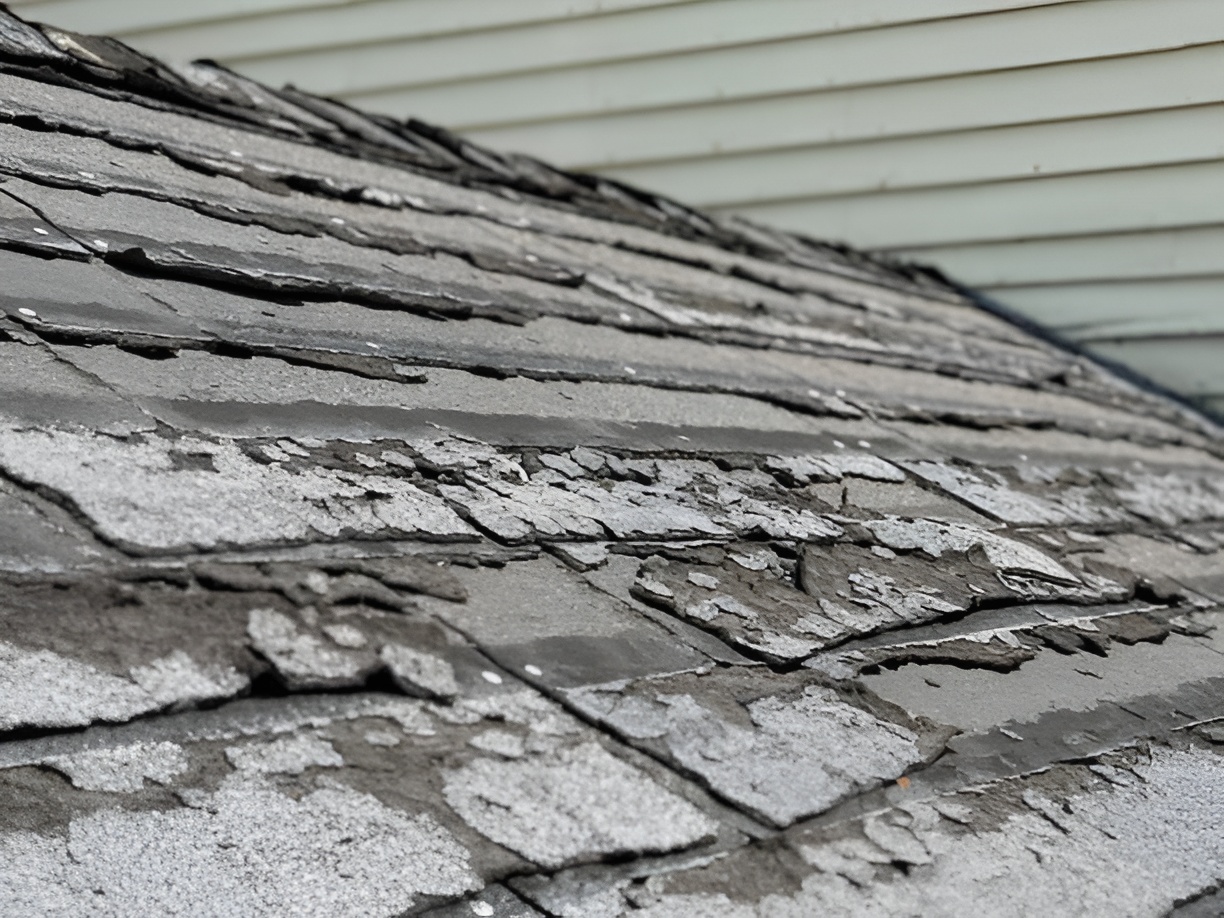
Knowing what to look for is crucial because hail can leave a variety of marks depending on the severity and the type of roofing material.
Common visual signs include:
-
Dents and bruises: Small dimples on metal flashing, vents, chimneys, or gutters are often the first clue. These “soft spots” indicate where hail has struck.
-
Granule loss on shingles: Asphalt shingles may lose protective granules, which can appear as bald or discolored areas. Granule loss reduces the roof’s ability to shed water and resist UV damage.
-
Cracked or split shingles: Hail can create tiny cracks that weaken shingles. These cracks may not leak immediately but can worsen over time.
-
Exposed matting: Severe hail can wear down the top layer of shingles, revealing the inner fiberglass or organic mat. This exposes the roof to water damage and accelerates deterioration.
-
Surface marks on siding: Hail doesn’t just hit roofs. Vinyl, wood, and aluminum siding can get dents or chips, sometimes far from the roofline.
Even minor damage should be monitored or repaired promptly, because small problems can escalate into leaks, rot, or mold over time.
How Can Gutters and Downspouts Reveal Damage?
Your gutters and downspouts often act as natural collectors for debris and roofing granules, making them excellent indicators of hail damage.
What to check:
-
Granule accumulation: Small black or dark granules in gutters usually come from damaged asphalt shingles. Excessive granule loss can indicate widespread roof wear.
-
Dents in metal components: Look for hammered spots in gutters or downspouts where hail struck with force.
-
Broken shingle tabs or debris: Pieces of shingles, broken tiles, or metal fragments often end up in the gutter after a storm.
Inspecting gutters after a hailstorm can save you unnecessary trips onto the roof and help you identify hotspots for damage that may need professional attention.
Are Interior Signs Indicators of Hail Damage?
Not all hail damage is visible from the outside. Some of the most telling signs appear inside your home:
-
Water stains on ceilings or walls: Even small leaks can leave brownish stains that worsen over time.
-
Damp spots in the attic: Moisture in insulation or on the rafters may signal shingles are compromised.
-
Mold or mildew growth: Persistent dampness from roof leaks can create health hazards and structural concerns.
-
Missing or damaged insulation: Leaks can wash out insulation, reducing energy efficiency and comfort.
If any of these issues appear after a storm, it’s wise to call a professional roofer or home inspector to assess the hidden damage. Early intervention can prevent more serious problems.
Can Your Insurance Help Cover Roof Damage?
Most homeowner insurance policies cover hail damage, but the process requires proper documentation and timely action.
Steps to prepare for a claim:
-
Take clear photos: Document damage from multiple angles immediately after the storm.
-
Collect debris: If shingles, tiles, or metal fragments fell off, keep samples for proof.
-
Record storm details: Note the date, time, and intensity of the hailstorm.
-
Contact your insurer promptly: Early notification helps ensure coverage and speeds up inspection scheduling.
Even minor damage should be reported, because insurers may deny claims if damage worsens due to neglect.
How Often Should You Inspect Your Roof After Hail?
Routine inspections are essential, especially in regions prone to hail. Following a simple schedule can help you catch problems early:
-
Immediately after a storm: Look for obvious damage such as missing shingles, dents, or debris.
-
Every 6–12 months: Conduct a thorough inspection of shingles, flashing, gutters, and attic spaces.
-
After severe weather events: Even if hail seemed minor, cumulative damage can compromise your roof over time.
Regular inspections prevent small problems from escalating into major repairs, saving money and protecting your home.
What About Roof Materials—Do They Show Damage Differently?
Hail affects roofing materials in different ways, and understanding your roof type helps you identify the severity of the damage:
-
Asphalt shingles: Look for granule loss, cracks, bruising, or curling edges. Shingle granules provide UV protection, so losing them exposes the roof to further deterioration.
-
Metal roofs: Dents and scratches are common. While small dents might not leak immediately, extensive damage can compromise water flow and aesthetics.
-
Tile roofs: Individual tiles may crack or chip, which can lead to water penetration if not replaced promptly.
-
Wood shingles or shakes: Splits, dents, and water absorption are common. Damaged wood can warp and promote rot or insect infestations.
Knowing your roof material’s vulnerabilities allows you to better plan inspections, maintenance, and repairs after hail events.
Can Minor Hail Damage Be Fixed Without Replacement?
Sometimes small hail damage can be repaired without replacing the entire roof. Minor fixes include:
-
Replacing individual shingles or tiles.
-
Sealing small cracks or splits.
-
Clearing debris from gutters to prevent water buildup.
-
Inspecting flashing and vents for minor dents.
However, if the damage is widespread or shingles are severely weakened, replacement may be the safer long-term solution. This is where preparing home for roof replacement comes into play, ensuring you protect landscaping, furniture, and valuables before work begins.
Can You Use DIY Tools to Inspect Your Roof?
Homeowners can perform basic inspections with the right tools:
-
Binoculars for close-up views from the ground.
-
A flashlight for attic inspection.
-
Magnet or small hammer to check for dents in metal roofing.
-
Ladder for closer but safe access to edges and gutters.
DIY inspections are cost-effective, but don’t replace professional evaluation for serious damage.
How Do You Know When to Call a Professional?
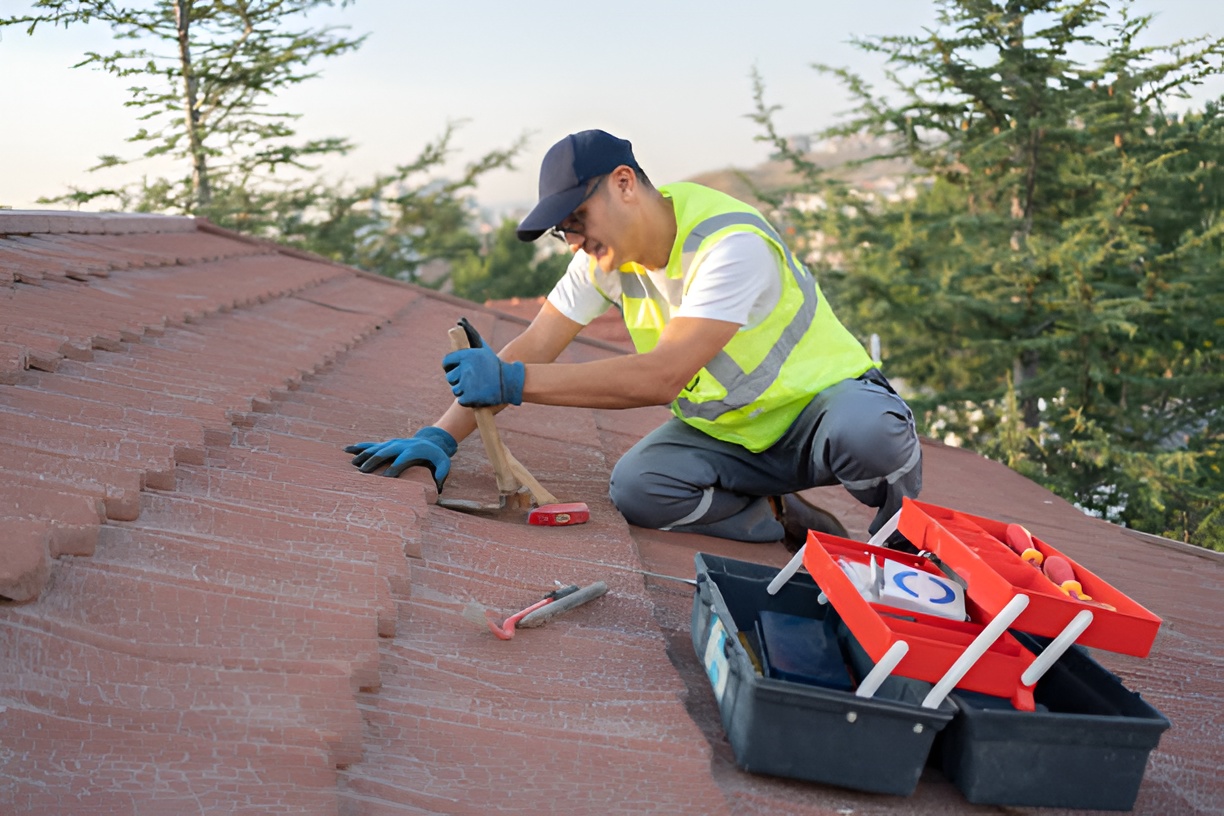
Some damage is obvious, while other times it hides under shingles or in the attic. Call a professional if you notice:
-
Widespread granule loss or multiple cracked shingles.
-
Roof leaks or water intrusion.
-
Sagging or structural issues.
-
Damage on steep or difficult-to-access roofs.
Professional roofers have tools like infrared scanners and drones to detect damage that may be invisible to the naked eye.
What Are the Costs of Ignoring Hail Damage?
Delaying repair can lead to:
-
Extensive water damage inside the home.
-
Mold and mildew growth.
-
Reduced energy efficiency.
-
Higher insurance claims or denied claims due to neglect.
-
Premature roof replacement costing thousands more.
Addressing damage promptly is almost always cheaper than waiting for bigger problems.
How Do You Protect Yourself After Hail?
While dealing with damage, safety is crucial. Keep these tips in mind:
-
Avoid walking on wet or slippery roofs.
-
Use caution around broken or loose shingles.
-
Keep children and pets away from damaged areas.
-
Avoid temporary fixes that could worsen the problem.
Safety first makes inspection and repairs much easier and stress-free.
Are There Preventive Measures for Future Storms?
While you can’t control the weather, there are several steps you can take to reduce the risk of hail damage and keep your roof in good shape for years to come.
-
Choose impact-resistant roofing materials: Modern shingles and tiles are rated for impact resistance, which can significantly reduce dents, cracks, and granule loss during hailstorms. Upgrading to these materials is an investment that protects your home and saves money on future repairs.
-
Install protective coverings on vulnerable areas: Skylights, vents, and chimneys are often weak points where hail can cause damage. Protective covers or shields can help prevent cracks and leaks.
-
Maintain your roof and gutters regularly: Debris buildup, clogged gutters, and damaged flashing can make a roof more vulnerable to hail and water damage. Regular cleaning, inspections, and minor repairs help prevent problems from escalating.
-
Trim trees and overhanging branches: Hail can knock down branches or cause them to scratch and damage your roof. Keeping trees trimmed reduces the likelihood of secondary damage during storms.
-
Take small steps to protect your roof long-term: By keeping up with repairs, replacing worn shingles promptly, and checking flashing, you can better learn how to extend roof lifespan naturally over time.
Taking these proactive steps not only reduces the immediate risk of hail damage but also helps your roof last longer and stay strong against future storms.
How to Document Damage for Insurance and Repairs
Proper documentation is essential to maximize insurance coverage:
-
Take multiple high-quality photos.
-
Note the storm date and time.
-
Record all observed damage, inside and out.
-
Keep receipts for any immediate repairs or temporary fixes.
Documentation simplifies claims and ensures accurate repair estimates.
How Often Should Roofs Be Replaced After Severe Hail?
Even the best-maintained roofs have limits. Consider replacement when:
-
Multiple inspections confirm extensive damage.
-
Shingles are significantly weakened or missing.
-
Leaks persist despite repeated repairs.
-
The roof is near the end of its expected lifespan anyway.
Consult a professional for recommendations based on roof type and local conditions.
Wrapping It Up
Hail damage isn’t always obvious, but knowing what signs to look for can prevent costly repairs and extend the life of your roof. From visual inspections to interior checks, professional evaluations, and insurance documentation, being proactive makes all the difference. Regular maintenance and smart repair decisions help protect your home, your family, and your investment.