
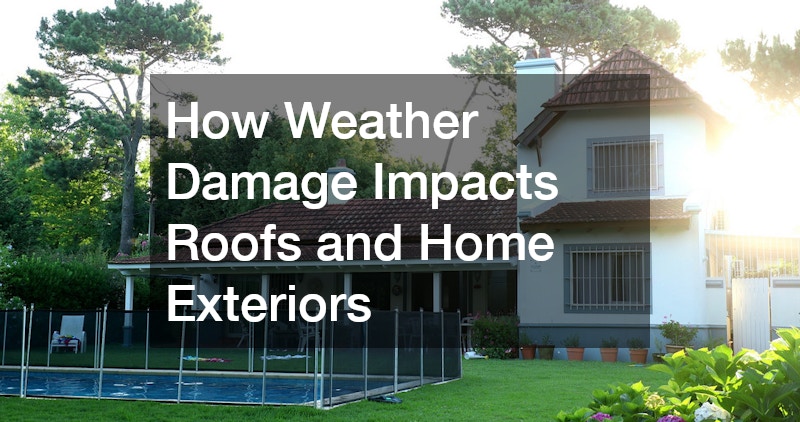
Weather plays a constant and significant role in the condition of any home. Homeowners must recognize that their property endures relentless exposure to various elements, including wind, rain, snow, heat, and temperature fluctuations, which can gradually wear down even the most durable materials. Understanding how these elements affect the roof and exterior is crucial for new homeowners, as it helps prevent costly repairs and protects the long-term value of the property.
Each season introduces unique challenges that can have different impacts on a home.
1. Spring: This season often brings heavy rains and thunderstorms. Homeowners should inspect their roofs for loose or missing shingles that may have been dislodged during strong winds. Clogged gutters, caused by fallen leaves and debris, can lead to water pooling and potential leaks, so it’s essential to clean them regularly.
2. Summer: The heat can be unforgiving, especially in areas with high temperatures. Prolonged exposure to intense sunlight can cause roofing materials to degrade, leading to cracks and weakening. Homeowners should also be vigilant about checking for signs of pests, like termites or ants, which thrive in warmer weather and can cause significant damage to wooden structures.
3. Autumn: As leaves fall, they can accumulate on the roof and in gutters, blocking drainage paths and promoting mold growth. It’s vital during this season to clear debris and inspect the roof for any wear and tear caused by summer heat.
4. Winter: Long winters can take a toll on structural components. Accumulated snow and ice can lead to issues like ice dams, which form when melting snow refreezes at the eaves of the roof, potentially causing leaks. Cold temperatures can weaken materials and cause them to become brittle, increasing the risk of cracking or splitting.
Small issues can often build slowly over time. What might start as a minor leak or a few missing shingles can escalate into significant damage if left unattended. It’s essential to have a proactive approach, conducting regular inspections and addressing minor repairs before they snowball into costly problems.
Learning what to watch for—such as discoloration on walls, water stains on ceilings, and changes in energy efficiency—along with knowing how to respond appropriately, can make a significant difference in how well a home withstands the tests of time and weather. By staying vigilant and informed, homeowners can ensure their property remains a safe and valuable investment year after year.
The Impact of Heavy Rain and Moisture

Water is one of the most damaging forces a home can face. While roofing systems are designed to shed water efficiently, prolonged exposure or poor drainage can lead to serious concerns.
Heavy rain can exploit even minor vulnerabilities. Loose shingles, cracked flashing, or clogged gutters allow moisture to seep beneath protective layers. Once water enters, it may affect insulation, wood framing, and interior ceilings.
Common moisture-related issues include:
- Leaks forming around chimneys or vents
- Mold and mildew growth in attic spaces
- Rotting wood along fascia and soffits
- Staining on ceilings and walls
A professional roofing service can assess these weak points before they worsen. Homeowners often rely on a local roofer to identify early warning signs, especially after extended periods of rainfall.
Proper drainage also plays a role. Gutters and downspouts must direct water away from the home. If they fail, water can pool near the foundation or behind siding, increasing the risk of long-term damage.
Wind Damage and Structural Stress
High winds can be unpredictable and destructive. Even moderate gusts have the power to lift shingles, tear flashing, and expose the underlying roof deck.
Wind damage often appears in subtle ways at first. A single lifted shingle might not seem urgent, but it creates an entry point for water and debris. Over time, repeated exposure weakens surrounding materials.
Signs of wind-related damage include:
- Missing or curling shingles
- Debris accumulation on the roof
- Bent or detached flashing
- Loose siding panels
A roofing company can evaluate the full extent of wind damage after a storm. In many cases, a local roofing company is familiar with regional weather patterns and understands how to reinforce vulnerable areas.
Homeowners should also consider the direction of prevailing winds. Certain sides of the home may experience more wear than others, making regular inspections essential.
Snow, Ice, and Winter Expansion
Cold climates introduce a different set of challenges. Snow accumulation may seem harmless, but the weight can place stress on roofing structures. Ice, however, presents an even greater risk.
Ice dams form when melting snow refreezes near the edge of the roof. This creates a barrier that traps water behind it, forcing moisture under shingles and into the home.
Key winter-related concerns include:
- Ice dam formation along the roof edges
- Cracked shingles due to freezing temperatures
- Gutter damage from expanding ice
- Interior leaks caused by trapped moisture
A best roofer will often recommend proper attic insulation and ventilation to reduce ice dam formation. These measures help regulate roof temperature and prevent uneven melting.
A local roofing contractor can also inspect for damage once winter ends, ensuring that hidden issues are addressed before spring rains arrive.
Heat and Sun Exposure Over Time
While storms get the most attention, long-term sun exposure can be just as damaging. Ultraviolet (UV) rays gradually break down roofing materials, causing them to dry out and lose flexibility.
As materials age, they become more brittle. This makes them more susceptible to cracking during temperature shifts or storms.
Common effects of prolonged heat include:
- Fading or discoloration of roofing materials
- Cracking or splitting shingles
- Warping of exterior components
- Reduced the lifespan of roofing systems
Siding also takes a hit from constant sun exposure. Materials like metal board and batten siding are often chosen for their durability and resistance to fading, making them a strong option in regions with intense sunlight.
Regular inspections help identify early signs of wear. Addressing these issues before they spread can prevent larger repairs down the line.
Hail and Sudden Impact Damage
Hailstorms can cause immediate and visible damage. Unlike gradual wear, hail impacts often require quick action to prevent further issues.
The size and speed of hailstones determine the severity of damage. Even small hail can weaken shingles, while larger stones may puncture roofing materials entirely.
After a hailstorm, homeowners should look for:
- Dents or bruising on shingles
- Granule loss exposes the underlying layers
- Cracked siding or window trim
- Damage to gutters and downspouts
A thorough inspection by a siding installation professional can reveal damage that might not be obvious from the ground. Pairing this with contractor services ensures that both roofing and exterior components are properly evaluated.
Prompt repairs are critical. Delaying action can allow water to enter through compromised areas, leading to more extensive damage.
Seasonal Temperature Swings and Material Movement
Fluctuating temperatures cause materials to expand and contract. Over time, this repeated movement weakens joints, seals, and fasteners.
This is especially noticeable in regions with hot summers and cold winters. The constant shifting can create gaps that allow moisture and air to enter.
Effects of temperature changes include:
- Cracking in caulking and sealants
- Loosening of fasteners and nails
- Warping of siding panels
- Separation at joints and seams
Working with a stucco company can help address cracking in stucco exteriors, which are particularly sensitive to temperature changes. Proper maintenance and repair keep these surfaces intact and weather-resistant.
A roofing service may also recommend flexible materials that better handle expansion and contraction, reducing long-term wear.
Storm Debris and Exterior Surface Damage
Storms often bring more than just wind and rain. Falling branches, flying debris, and loose objects can strike the home with significant force.
Even minor impacts can leave lasting damage. A small crack or dent may not seem urgent, but it can compromise the protective barrier of the home.
Common debris-related issues include:
- Punctures in roofing materials
- Scratches or dents in siding
- Broken vents or roof accessories
- Blocked gutters and drainage systems
A local roofer can assess roof damage caused by debris, while a roofing company may recommend preventative measures such as trimming nearby trees.
Keeping the surrounding property maintained reduces the risk of debris-related damage during storms.
The Role of Proper Installation in Weather Resistance
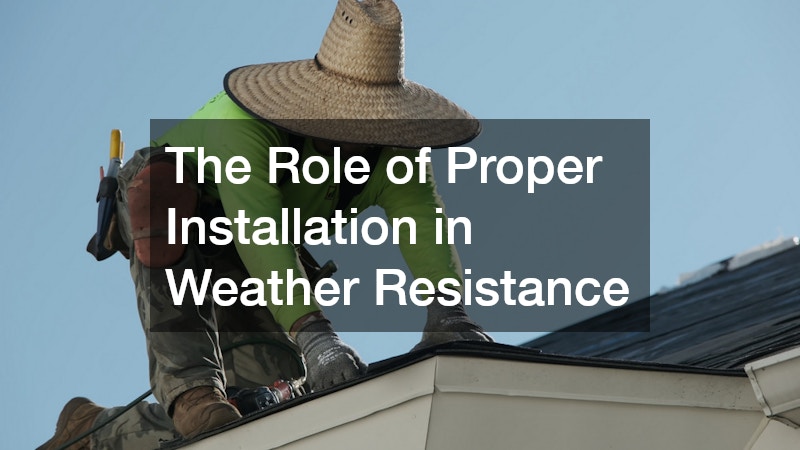
Even the best materials can fail if they are not installed correctly. Poor workmanship often becomes evident during severe weather events.
Installation quality affects how well a home withstands environmental stress. Gaps, misaligned components, or improper sealing can all lead to premature failure.
Key factors in proper installation include:
- Secure fastening of roofing materials
- Correct alignment of shingles and panels
- Adequate sealing around penetrations
- Proper ventilation to prevent moisture buildup
Choosing a local roofing contractor with experience in the area ensures that installation methods match local weather demands. Many homeowners also seek out the best roofer to guarantee long-lasting results. Attention to detail during installation often determines how well a home performs over time. Additionally, selecting a contractor with a solid reputation can provide peace of mind. It’s beneficial to check reviews and ask for referrals to understand the quality of work delivered. A reliable contractor will also offer warranties, reflecting their commitment to craftsmanship and customer satisfaction, which can be crucial when making such an important investment in your home.
Preventative Maintenance and Regular Inspections
Routine maintenance is one of the most effective ways to reduce weather-related damage. Small issues can be identified and resolved before they escalate.
A consistent inspection schedule helps homeowners stay ahead of potential problems. Seasonal checks are especially valuable after major weather events.
Recommended maintenance tasks include:
- Cleaning gutters and downspouts
- Inspecting shingles for damage or wear
- Checking flashing around vents and chimneys
- Examining siding for cracks or gaps
A local roofing company can provide regular inspections, offering peace of mind and professional insight. Many homeowners also rely on contractor services to handle repairs efficiently and safely.
Preventative care extends the life of both the roof and exterior, saving money over time.
Choosing Durable Materials for Long-Term Protection
Material selection plays a major role in how well a home resists weather damage. Some materials are better suited for specific climates and conditions.
When planning upgrades or replacements, homeowners should consider durability, maintenance needs, and resistance to local weather patterns.
Popular durable options include:
- Impact-resistant shingles for hail-prone areas
- Weather-resistant siding materials
- Energy-efficient roofing systems
- Moisture-resistant exterior finishes
Metal board and batten siding is often chosen for its strength and ability to handle harsh conditions. Similarly, working with a stucco company can provide long-lasting exterior solutions when properly maintained.
Consulting with a roofing company helps homeowners select materials that align with their environment and long-term goals.
Understanding and Mitigating Weather Damage to Your Home
Weather damage remains a persistent concern for homeowners, as it affects roofs and exterior surfaces uniquely throughout the seasons. Each element—be it heavy rain, strong winds, snow, heat, or hail—presents distinct risks that can compromise the integrity and aesthetic of a home.
During heavy rain, for instance, clogged gutters can lead to water pooling on roofs, increasing the risk of leaks and water damage. Similarly, strong winds can lift shingles or even dislodge entire sections of roofing, leaving homes vulnerable to subsequent weather events. In winter, the weight of snow accumulation can be especially taxing on roofs, creating the potential for structural failures if not managed properly. Conversely, intense heat can cause materials to expand and contract, leading to cracks and wear over time. Hail poses another threat, where ice pellets can pit siding and shatter windows, resulting in costly repairs.
Understanding these impacts allows homeowners to adopt a proactive approach towards maintenance. Regular inspections are crucial; by identifying signs of wear and tear early, homeowners can address issues before they escalate into significant problems. Timely repairs—whether patching a roof, sealing cracks in siding, or cleaning gutters—can prevent small issues from turning into costly repairs. Additionally, making thoughtful choices regarding materials that are designed to withstand specific weather conditions, like metal board and batten siding, can further fortify a home against the elements.
In conclusion, by recognizing the various ways weather can damage a property and taking preemptive action, homeowners can effectively protect their investments. With diligence in inspections, repairs, and material selection, it is possible to minimize unnecessary damage and expenses, ensuring a safe and well-maintained home year-round.