
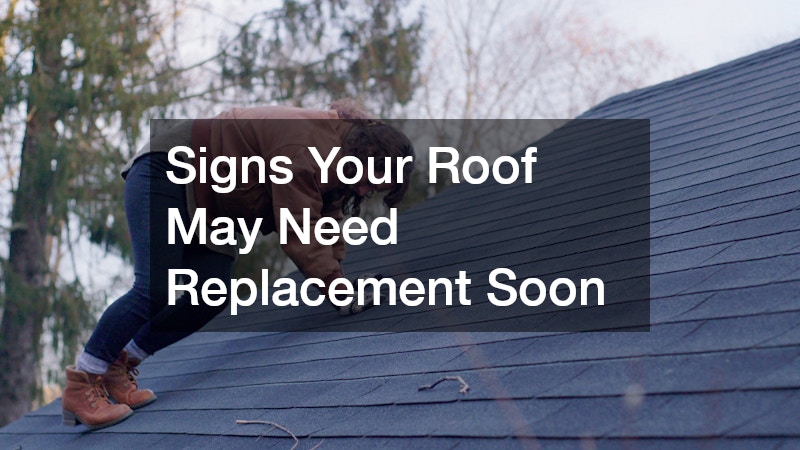
Understanding when your roof is nearing the end of its lifespan is crucial for maintaining the security and value of your home. This article outlines the key signs indicating your roof may need a replacement soon, and the role of roofing professionals in the process. By trusting in the right local roofing service, homeowners can maintain the integrity of their investment.
1. How to Identify a Failing Roof?
1.1 Visual Signs of Roof Deterioration
Visible wear and tear like cracked or missing shingles are the most immediate indicators of roof deterioration. Such signs are often the result of age, weather exposure, and materials reaching their lifespan, all of which call for a thorough inspection. Engaging a local roof repair service is essential in assessing whether repairs or a full replacement is necessary.
Another common visual cue is the accumulation of granules in gutters, indicating the erosion of shingle surfaces. This deterioration weakens the roof’s protective barrier against rain and wind. Unchecked, these problems can lead to more significant issues, emphasizing the importance of regular roof assessments by a residential roofing contractor.
The appearance of algae, mold, or mildew can signal trapped moisture or insufficient ventilation under the roofing materials. If you notice these signs, it’s recommended to consult with a local roofer for remediation advice. Taking action early can stave off substantial damage and associated replacement costs.
1.2 Consulting with a Local Roof Repair Service
Working with a trusted local roof repair service ensures that inspections and repairs are handled quickly and efficiently. Their familiarity with community-specific weather patterns and building codes allows for targeted solutions. Additionally, they can provide reliable, cost-effective repairs aligned with best practices in residential roofing industries.
Local roofing services offer personalized customer service, as they are often small businesses with deep community ties. They rely on word-of-mouth and repeated patronage, pushing them to provide superior work to sustain their reputation. This focus on customer satisfaction ensures attentive follow-ups and quick response times for any additional concerns.
By hiring locally, you contribute to the economic health of your community while ensuring timely and responsible repair work. Local services often carry services and parts tailored to area-specific roofing conditions. Engaging with them not only supports the local economy but also ensures your roof withstands regional environmental challenges.
1.3 Importance of Regular Roof Inspections
Regular inspections are critical in identifying potential problems before they become disasters. Ideally, these inspections should occur twice yearly, following severe weather to catch any storm-related damages. Engaging a residential roofing contractor for these inspections can save significant long-term repair costs.
Preventive maintenance allows early detection of issues such as leaks, damaged shingles, ice dams, and other exterior damages. Catching these signs early with the help of local roofers can avoid costly water damage inside the home. A stitch in time saves nine, particularly concerning structural longevity.
Scheduled inspections by qualified personnel ensure that maintenance is performed under expert eyes. Expertise allows them to make unbiased assessments of the roof’s lifespan and needs, recommending timely actions to preserve value. Regular maintenance culminates in peace of mind and cost-effective homeownership.
2. What Does a Residential Roofing Contractor Recommend?
2.1 Common Recommendations for Aging Roofs
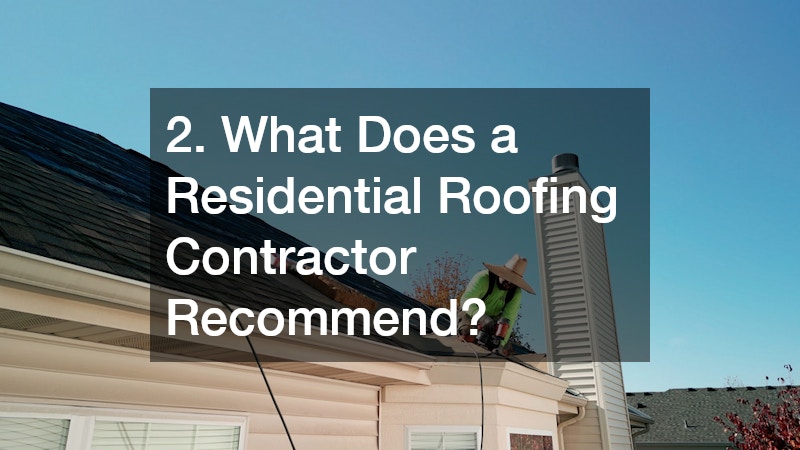
Residential roofing contractors commonly recommend maintenance tactics specific to the roofing material and conditions. For homes with shingle roofs, this might involve replacing curled or cracked shingles and repairing leaks around vents and chimneys. They also advise applying a roof coating to enhance UV protection and moisture resistance.
For flat or metal roofing jobs, a contractor might suggest comprehensive inspections to identify corrosion or seams that need resealing. They might also examine whether an upgrade to a more robust sheet metal would be wise for longevity. Consistent evaluation of flashing and gutters is paramount in preventing water buildup and directing it away from the foundation.
Contractors often recommend reinforcing insulation and ventilation to avert unnecessary heat loss and moisture entrapment within the attic. These enhancements can reduce energy costs and further protect the building envelope. Sustainable, long-term upkeep plans typically include these forms of proactive intervention to maintain peak roof performance.
2.2 How Residential Roofing Contractors Assess Roof Damage
Professional roofing assessments begin with a comprehensive visual inspection of the roof’s condition. This includes checking every component, from the shingles to the flashing on chimneys and vents, ensuring no detail is overlooked. Next, they might deploy thermal imaging to detect hidden water leaks and areas where insulation might be lacking.
Roofers evaluate the structure’s ventilation, a vital area affecting moisture levels and temperature regulation. An in-depth look at the attic ensures excess moisture isn’t causing hidden problems, which could lead to severe damage. Monitoring and maintaining a balanced ventilation system is a proactive way to thwart mold and mildew build-up.
The final step involves reviewing interior ceilings and walls for signs of roof leaks or other damages. With a thorough exterior and interior assessment, residential roofing contractors can recommend the necessary steps to ensure roof stability. They also provide documentation and photographs, offering a clear action plan for restoration or replacement.
2.3 The Role of a Contractor in Roof Maintenance
Roof contractors play an instrumental role in advising on routine maintenance practices that prolong a roof’s life expectancy. Their expertise leads to informed suggestions on material upgrades, structural enhancements, and the timing of these interventions. Contractors offer reassurance and expert guidance, protecting the sizable investment that a roof represents.
Regular engagement with a contractor ensures corrective measures are always on the table, preventing small issues from developing into large, costly ones. They facilitate understanding of necessary maintenance practices and coordinate needed repairs. Their ongoing support and experienced eyes on the roof provide invaluable preventive care.
Moreover, roofing contractors act as project managers for large-scale roof installation or repairs, coordinating tasks, procuring materials, and ensuring quality control. Engaging a reputable contractor means securing competency in installation, accountability, and fortified warranties. This integral role underscores their importance within the home maintenance ecosystem.
3. How Effective is a Local Roofing Service?
3.1 Benefits of Hiring Local Services
Hiring local roofing services promotes economic benefits within the community while ensuring personalized customer care. These companies tailored to local conditions provide swiftness in emergencies and familiarity with neighborhood building standards. They provide immediate service and cater precisely to the community, being a part of it themselves.
Their localized expertise allows them to anticipate and manage climate-related challenges unique to the region, offering best-fit solutions. Local services typically have pre-established relationships with suppliers, reducing overheads and passing savings to customers. This advantage helps maintain roofing excellence at an affordable cost.
Furthermore, local roofers offer a level of accountability and transparency, evident through recommendations via word-of-mouth in your vicinity. The assurance of familiar faces and community-backbone strengthens trust and reliability in service delivery. For these reasons, engaging a local service can resolve issues more adeptly than opting for a faceless national chain.
3.2 Understanding Local Weather Impacts on Roofs
Weather heavily impacts the choice and life expectancy of roofing materials, making a local understanding essential. In regions with harsh winters, local experts recommend steeper pitches and reinforced materials to prevent snow and ice damage. Meanwhile, areas exposed to excessive sun exposure benefit from reflective coatings or cool roofing materials.
Localized knowledge guides strategic material selection, ensuring suitability against prevalent weather conditions for enhanced roof durability. The best solutions combine both function and an understanding of regional environmental trials. This niche expertise sets local experts apart as they nurture roof longevity through applied regional understanding.
Unexpected weather events also drive homeowners to seek resilient alternatives like metal roofing jobs over traditional styles. Local roofing services hence offer insights on innovations like increased insulation or specific sealing techniques. From regular freezes to hot, sunny climates, a local roofing service ensures your roof stands the test.
3.3 Comparing Local versus National Services
While national roofing companies benefit from scale, local services offer customers tailored, attentive service benefits. A close relationship and prompt availability ensures every client query is addressed directly without generic response protocols. For tailored solutions and dedicated care, local companies often outperform their national counterparts.
Local enterprises offer flexibility in terms of scheduling and accessibility, unlike rigid structures seen in larger corporations. Not constrained by corporate policy, local roofers bring direct, actionable insights into community-led building requirements. Thus, local companies remain competitive contenders in delivering comprehensive roofing solutions.
Additionally, the trust fostered within a community often translates to quality work and long-term support, revisiting jobs proactively. National firms may not provide the lasting relations due to management turnover and geographical challenges. By choosing a local resource, you’re not only getting a service—you’re gaining a committed partner.
4. When is a Metal Roofing Job Necessary?
4.1 Advantages of Metal Roofing
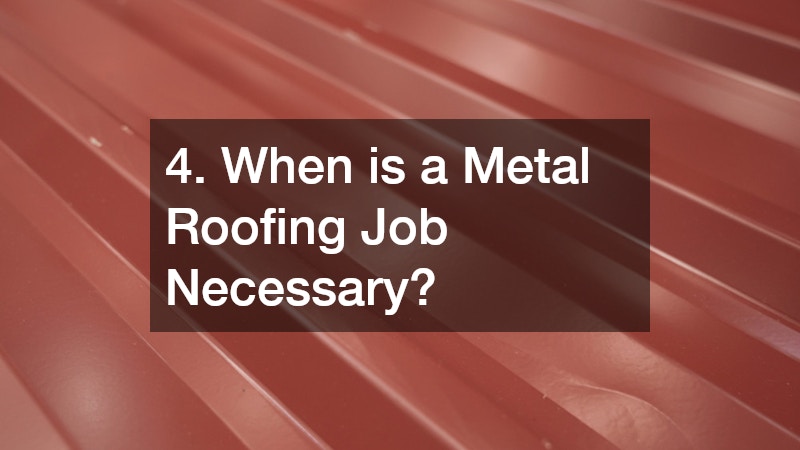
Metal roofing offers a durable alternative to traditional shingle roofs, often lasting up to 50 years or more with proper maintenance. This longevity reduces the need for frequent replacements, offering substantial savings over time. Additionally, metal roofs provide superior resistance to harsh weather conditions, including high winds and heavy snowfall.
Metal roofing is also highly fire-resistant, a significant asset to homes located in wildfire-prone areas. Their reflective properties contribute to energy efficiency by reducing cooling costs during summer months. The eco-friendly nature and recyclability of metal roofs also make them an attractive choice for sustainability-focused homeowners.
The lightweight character of metal roofs minimizes structural stress, preserving the integrity of older and historical structures. They come in a variety of styles and colors, allowing architectural harmony with contemporary and classic home designs. This versatility adds aesthetic and functional value, marking metal roofing as a smart modern choice.
4.2 Indicators Your Home Needs Metal Roofing
Indicators for upgrading to metal roofing include frequent repairs or the inefficiency of existing traditional roofing systems. Homes situated in geographic locations prone to extreme weather conditions benefit from metal roofing’s durability. Its robustness against adversities like excessive rain, snow, or sun elevates it as a necessity over convenience.
For energy savings, metal roofs offer remarkable ROI with reduced cooling and heating costs due to their reflective defense. From leaking or structurally compromised rooftops to outdated appearances, these signs prompt considerations for metal roofing intervention. Transforming to a metal roof promises enhanced protection and financial benefits.
A shift might also be due to the need for reducing ongoing maintenance requirements, benefiting the homeowners’ time and pocket. Incremental repair costs and the desire for upscale home value bolster the argument for adopting metal roofing. Carefully assessing these indicators assures seamless transition toward a modern roofing solution.
4.3 Expert Installations and Longevity
Engaging a seasoned professional in your metal roofing project ensures secure installations and peace of mind. A skilled roofing contractor uses exacting standards and specialized tools to deliver standout craftsmanship and assurance. Such expertise guarantees that all aspects, from fastenings to underlayments, adhere to durability requirements.
Expert contractors provide critical evaluations that determine appropriate metal types and solutions, maximizing results under planned timelines. Their detailed implementation descends from thorough project planning to responsive service delivery, adding recognized industry value. A meticulous expert ensures longevity, effective maintenance, and reduced future issues.
Excellent project management includes post-installation checks and maintenance schedules to capture potential threats proactively. Continuous guidance sustains the system’s lifespan, retaining roofing investment value over time. Ultimately, expert involvement means the seamless realization of a high-quality and enduring roofing project.
5. What Should I Look for in a Roofing Contractor?
5.1 Key Qualities of Reliable Contractors
The selection of a reliable roofing contractor is crucial, emphasizing credentials, reputation, and experience. Verifying these qualities ensures the contractor can provide high-quality services while guaranteeing safe and secure installations. Mutual trust and reliability are nurtured through meeting these commitments throughout the project’s course.
An admirable contractor will offer transparent assessments and cost estimates that align expectations with realistic capabilities. Reliability is derived through effective communication, honesty, and a harmonious relationship with the client. Customers seek dependability through recognizable client focus, where emphasis is placed on customer satisfaction, not profit margins.
Membership in professional associations often showcases a contractor’s adherence to industry standards and operational excellence. Such affiliations hint at ongoing education and adaptation to technological advancements, preparing clients for modern roofing systems. The credibility formed through these memberships enhances contractor appeal as a trusted service partner.
5.2 Questions to Ask Potential Contractors
Asking the right questions allows homeowners to differentiate between skill levels and service quality among contractors. Start by inquiring about the contractor’s experience with roofs similar to yours and the scope of previous projects. Understanding their approach to addressing unforeseen complications can reveal their ability to manage complexity.
Clarifying warranty specifics highlights a contractor’s credibility in standing by their work. Evaluate timelines and completion processes to align with your needs and avoid prolonged or inconvenient disruptions. Their willingness to provide comprehensive answers showcases transparency and establishes a cooperative rapport.
Reviewing references or past work examples provides tangible testimony to support contractor claims. A proven track record of satisfied clients facilitates trust-building and offers confidence in their capabilities. Ensure contractors prioritize customer engagement, turning every question into an opportunity for beneficial communication.
5.3 Importance of Licenses and Certifications
Licenses and certifications establish the standard a contractor adheres to, revealing formal qualifications and dedication. Validation of these credentials justifies their ability to offer superior roofing solutions while ensuring legal compliance. Confirming these attributes reassures homeowners of safety, quality, and robust industry understanding.
Obtaining certification from material manufacturers denotes a contractor’s expertise in handling specified goods and systems. Certified professionals are usually well-versed in advanced technologies, benefiting from extended manufacturer protection and warranties. This alignment influences fees positively, extending affordability to clients respectful of workmanship superiority.
Choosing a licensed contractor for your roofing project promotes conformity within local building codes and ethical construction practices. Proper licensing reflects an undertaking to professionalism and accountability, resulting in solid reputational growth. Security in this engagement provides an evident pathway towards responsible and driven roofing outcomes.
6. What is Involved in Roof Installation?
6.1 Steps in the Roof Installation Process
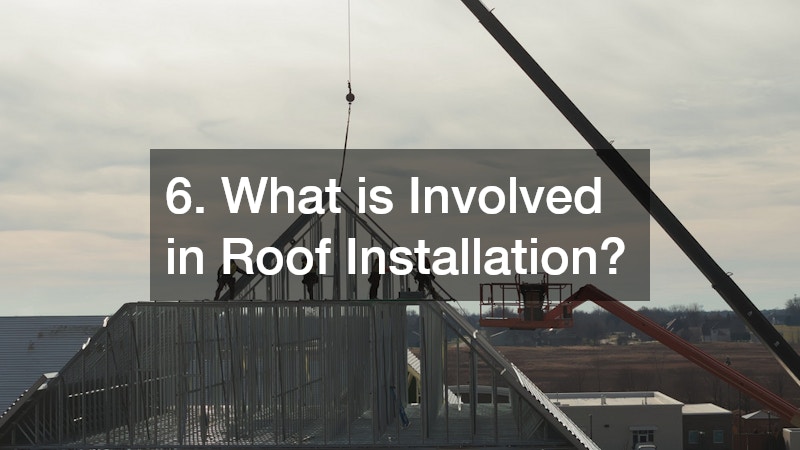
The roof installation process commences with correct sizing and a reliable timetable to predict precise deliverables. A tear-off procedure follows, where existing materials are removed, exposing structural needs. This exposure allows necessary repairs or modifications, improving longevity and securing a safe installation base.
Underlayment installation resists water seepage and protects structural elements effectively. Contractors then follow by aligning shingles or metal panels, using precision methods to ensure maximum coverage and resilience. Subsequent inspection and adjustments confirm perfect alignments and secure fastenings to uphold craftsmanship integrity.
Remaining stages prioritize site cleanup resistance, safeguarding homeowner property and curtailing clutter-related obstructions meticulously. Post-installation checks verify compliance with buyer specifications and approved quality metrics. Conclusively, project documentation and warranties are generated as client assurances while finalizing formalities.
6.2 Assessing Material and Labor Costs
Labor and material expenses interact directly with roof size, design complexity, and material selection. Simple layouts paired with inexpensive materials typically incur lower costs, while intricate designs featuring upscale materials demand additional investment. Navigating these complexities requires calculative budgeting guidance tailored to diverse price points.
Comprehensive bids by contractors elucidate expenditure elements, transparently offering a blueprint for potential investments. Labor rates also factor experience levels, procedural intricacies, and cultural cost settings that distinguish professional value. Insightful bonds manifest, alleviating fiscal unpredictability across various project dimensions.
High-quality material procurement minimizes future maintenance overheads, rendering significant savings through durability and longevity. Initial outlays are offset by reduced recurring expenditure, avoiding unforeseen repair incidents. Sympathetically marrying financial reserves with premium materials assures continuous satisfaction returns.
7. How Do Roofing Companies Ensure Quality?

7.1 Quality Assurance Practices
In the realm of residential roofing, quality assurance is predicated on careful selection and application of materials. Continuous training and adherence to the latest industry standards by skilled personnel guarantee excellence. Quality control measures, including inspections and rigorous testing, ensure standards are consistently met with efficiency.
Residential roofing companies deploy established processes from project inception to final delivery, aligning client satisfaction with expectations. Regular audits and client feedback facilitate adaptive management, embracing innovation and addressing potential weaknesses. This structured approach ensures dependable output that matches both aesthetic and functional values.
Quality assurance is further reinforced by stringent safety protocols that mitigate risks inherent in roofing jobs. Compliant with regulatory norms, these practices guarantee safe work environments, increasing both operational reliability and customer confidence. Stringent oversight translates into secured responsibilities, engraining conscientious regard for client welfare.
In conclusion, recognizing the signs that your roof may need replacement is crucial in preventing more extensive damage and costly repairs down the line. By staying alert to warning signs such as leaks, missing shingles, or sagging, you can address issues before they worsen. Regular inspections and prompt action can not only protect the structural integrity of your home but also help maintain its value. If you notice any of these signs, it’s essential to consult a professional roofer who can assess the situation and recommend the best course of action for your home.