
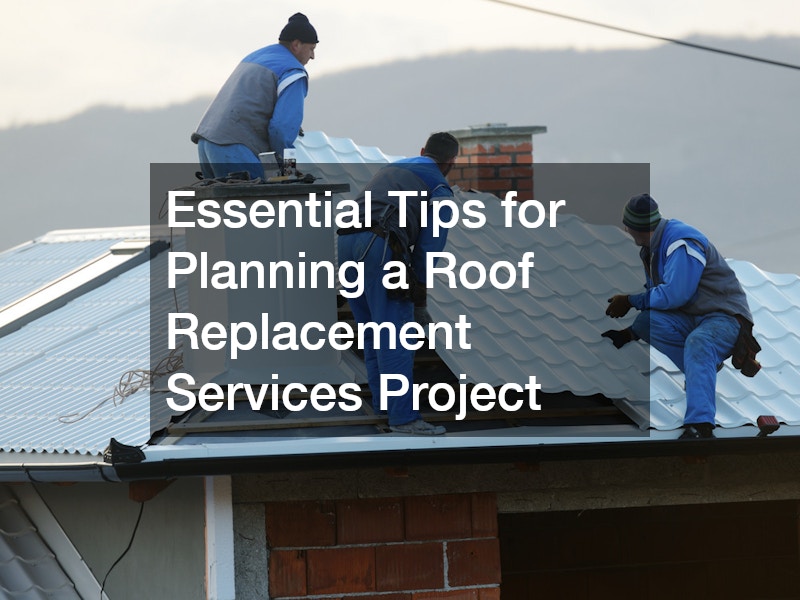
A roof replacement project can feel overwhelming, but proper planning ensures safety, durability, and long-term value for your home. Beyond protecting your home from the elements, a well-planned roof replacement improves energy efficiency, enhances curb appeal, and can even increase property value. Homeowners who approach this process strategically can avoid costly mistakes, reduce stress, and enjoy a functional, attractive roof for decades.
This guide provides a comprehensive approach to planning a roof replacement. We’ll cover everything from assessing your roof’s condition to budgeting, choosing materials, hiring professionals, and coordinating with other home improvements. Whether you live in a traditional home, a custom tiny home, or are undertaking a large-scale renovation, these tips will help you manage the process efficiently and confidently.
Assessing Your Roof’s Current Condition
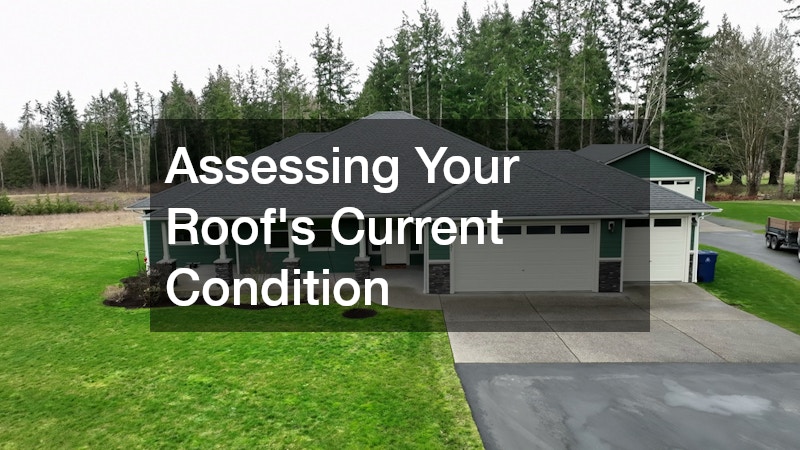
The first step in any roofing project is a thorough assessment of your roof’s current condition. Signs of wear, such as missing shingles, curling edges, water stains, mold, or leaks, indicate the need for attention. Addressing these issues early can prevent more extensive damage to the underlying structure and reduce the overall cost of a roof replacement.
A professional roofer can provide an expert evaluation, spotting subtle problems that may not be visible to the untrained eye. Some homeowners may opt for a basic self-inspection, which includes checking the attic for water intrusion, inspecting gutters for shingle granules, and looking for sagging areas on the roofline. However, complex damage, structural concerns, or recurring leaks generally require professional assessment to ensure a safe and thorough replacement.
Key steps to assess your roof:
- Inspect the attic for signs of leaks or mold.
- Check shingles for cracks, curling, or missing pieces.
- Examine gutters for excessive granules indicating wear.
- Look for uneven rooflines or sagging areas.
- Take photos to document damage for contractor evaluation.
Identifying areas that require repairs before full roof replacement services is critical. This ensures that replacement efforts focus only on necessary sections, prevents small issues from escalating, and allows for precise budgeting. Engaging professionals early in this process also enables better planning for material orders, timeline estimates, and coordination with other contractors if needed. Taking the time to assess your roof thoroughly sets a strong foundation for a smooth, efficient replacement project.
Determining the Scope of Your Roof Replacement
Once your roof’s condition is understood, you need to determine the scope of work. Roof replacement projects vary from minor partial replacements to full replacements. Factors influencing the scope include roof age, extent of damage, roof pitch, and the overall design of your home. For example, small repairs may suffice for newer roofs with isolated damage, while older roofs may require complete replacement to prevent recurring issues.
Special considerations should be made for custom homes, including a custom tiny home, where roof design and material choices may differ from standard residences. These unique structures may require specialized materials or installation methods to maintain both aesthetic appeal and functionality. Consulting professionals familiar with custom home construction ensures that your roof replacement integrates seamlessly with the home’s architecture.
Determining the right scope:
- Identify sections of the roof that are most damaged.
- Decide if a full replacement or partial replacement is necessary.
- Consider future home improvements when choosing the scope.
- Factor in unique design elements for custom or tiny homes.
- Plan for upgrades like insulation or ventilation improvements.
Properly defining the scope also helps in determining timelines and budgeting. Understanding exactly what areas need replacement and what can be repaired prevents unnecessary spending, helps avoid construction delays, and ensures the roof meets safety and aesthetic standards. By making clear decisions about the extent of your roof replacement, you can avoid surprises and make informed choices about materials, labor, and scheduling.
Setting a Realistic Budget
Budgeting is a crucial step in planning any roof replacement. Costs extend beyond materials and labor and may include permits, disposal fees, and contingency funds for unexpected issues. Establishing a realistic budget allows homeowners to make informed decisions about materials, scope, and timing, preventing stress and costly mid-project adjustments.
Many homeowners finance roof replacement through home mortgage loans, which can cover both materials and labor while spreading costs over time. Consulting with financial advisors or lenders provides clarity on loan options, interest rates, and repayment terms, ensuring that the investment aligns with your long-term financial goals. Budgeting with financing in mind also allows for premium material choices or additional improvements without compromising financial stability.
Budgeting tips for a roof replacement:
- Obtain multiple roofing estimates to compare costs.
- Include contingencies for unexpected repairs or upgrades.
- Account for permit and inspection fees.
- Factor in temporary relocation or storage if needed.
- Consider long-term energy savings from insulation or reflective materials.
Obtaining multiple roofing estimates from different roofing companies ensures transparency and helps identify cost differences related to materials, labor, and warranties. Detailed estimates also clarify what is included in the project and allow for informed negotiations with contractors. Properly managing your budget requires balancing affordability, quality, and longevity to ensure a roof replacement that provides value and protection for years to come.
Selecting the Right Roofing Materials

Choosing roofing materials is a critical decision that affects durability, aesthetics, and energy efficiency. Options range from asphalt shingles to metal, tile, and eco-friendly materials. Each material type has pros and cons, including cost, lifespan, maintenance requirements, and compatibility with your home’s architecture.
Material selection also influences energy efficiency and long-term utility costs. For example, metal roofs can reflect sunlight and reduce cooling expenses, while high-quality shingles provide excellent weather resistance at a moderate price. Coordinating with an insulation contractor can maximize the effectiveness of your roof by ensuring proper insulation and ventilation. This integration reduces energy waste, prevents moisture buildup, and extends the life of your roof and insulation.
Tips for selecting roofing materials:
- Evaluate the durability, warranty, and lifespan of each material.
- Consider climate suitability for your area.
- Match aesthetics with your home’s architectural style.
- Factor in long-term maintenance requirements.
- Coordinate with insulation upgrades to improve energy efficiency.
Professional guidance is essential when selecting materials, as improper installation or unsuitable choices can lead to premature wear or damage. Roofing experts can recommend options based on local climate, roof pitch, and home design while offering insights into maintenance and repair considerations. Thoughtful material selection ensures your roof replacement is durable, efficient, and visually appealing, providing long-term satisfaction and protection.
Choosing the Best Roofing Professionals
Hiring the right professionals is critical to the success of a roof replacement project. Evaluating roofing companies and individual roofers requires attention to licensing, insurance, experience, and reputation. Verified credentials provide peace of mind that work will be completed safely, efficiently, and to code.
Homeowners should request references and examine past projects to ensure quality craftsmanship. Questions about warranties, installation methods, and timelines clarify expectations and prevent misunderstandings. Comparing multiple price estimates helps homeowners understand price differences, negotiate contracts, and select professionals who align with their needs and budget.
How to hire the right professionals:
- Check licenses, insurance, and certifications.
- Ask for references and visit past projects.
- Discuss warranties, timelines, and materials used.
- Compare multiple estimates to understand pricing variations.
- Ensure communication and professionalism are consistent.
Selecting skilled professionals reduces the risk of costly mistakes, project delays, and future maintenance issues. Reliable contractors ensure proper installation, adherence to manufacturer guidelines, and attention to detail. By investing time in vetting contractors, homeowners protect their investment, ensure safety, and gain confidence that the roof replacement will meet both functional and aesthetic expectations for years to come.
Coordinating With Other Home Improvements
Roof replacement often coincides with other home improvement projects. Coordinating roof work with upgrades such as deciding between impact windows vs hurricane shutters, siding replacement, or solar panel installation can save time, money, and potential damage. Planning simultaneous projects allows for strategic scheduling, reducing repeated disruption to the household.
Local custom home builders can offer expertise in coordinating multiple projects, ensuring that materials, timelines, and design elements are compatible. This collaboration prevents conflicts between contractors, minimizes rework, and allows homeowners to achieve cohesive results. Proper coordination also ensures that new installations, like windows or shutters, complement the roof’s design and function optimally.
Coordination tips:
- Make a list of planned home improvement projects.
- Schedule roof work in conjunction with major upgrades.
- Communicate clearly with all contractors about timelines.
- Sequence projects to prevent overlapping work or damage.
- Verify that materials and design choices are compatible.
Homeowners should communicate clearly with all contractors and establish a detailed project schedule. Anticipating the sequence of tasks, delivery times for materials, and potential weather delays prevents inefficiencies and enhances project outcomes. By integrating roof replacement with other home improvements, homeowners maximize the benefits of each investment while minimizing stress and logistical challenges.
Understanding Permits and Local Regulations

Compliance with permits and local regulations is a vital component of any roof replacement. Requirements vary by location and may include building codes, HOA restrictions, and safety standards. Failure to obtain proper permits can result in fines, delays, or the need to redo work.
A professional roofer and roofing companies often assist with navigating regulations, ensuring that your project meets all legal requirements. They can advise on necessary inspections, documentation, and safety protocols, reducing the administrative burden for homeowners. Proper disposal of old roofing materials also ensures compliance with environmental regulations and prevents local violations.
Permit and regulation checklist:
- Verify local building codes for roof replacements.
- Obtain necessary permits before construction begins.
- Schedule required inspections during and after the project.
- Understand HOA or community guidelines for roof aesthetics.
- Ensure disposal of old materials follows environmental regulations.
Understanding and adhering to these requirements not only protects homeowners legally but also contributes to project quality and safety. When all permits and regulations are addressed upfront, the roof replacement proceeds smoothly, minimizing surprises and ensuring the finished work is fully compliant with local and national standards.
Preparing Your Home and Property
Proper preparation of your home and property safeguards both your belongings and the construction process. Homeowners should protect landscaping, outdoor furniture, and vehicles from debris and dust. Temporary fencing or coverings can prevent damage and reduce cleanup needs.
Safety is also a priority. Clear pathways for contractors, removing hazards, and communicating house rules help prevent accidents. Protecting pets and children from the work zone ensures everyone’s well-being. Preparing for noise, dust, and temporary disruption also reduces stress during construction.
Preparation tips:
- Move vehicles, outdoor furniture, and valuables away from work areas.
- Cover plants and landscaping to prevent debris damage.
- Establish clear pathways for contractors to move safely.
- Secure pets and children away from construction zones.
- Communicate rules and expectations to contractors.
A well-prepared property supports a smooth project timeline and minimizes interruptions. By addressing logistical and safety concerns beforehand, homeowners allow contractors to work efficiently, ensure materials are properly handled, and maintain a safe environment for all. Proper preparation enhances both the quality of work and the overall experience.
Scheduling and Timeline Management
Roof repair or replacement projects require careful scheduling to account for weather, material delivery, and contractor availability. Establishing a realistic timeline ensures that each phase, from inspection to installation and final inspection, proceeds efficiently without rushed or compromised work.
Coordination with subcontractors, such as the insulation contractor, ensures that sequential tasks are completed effectively. Delays in one area can cascade, affecting overall completion. Homeowners should anticipate potential disruptions and plan for buffer days, particularly during rainy seasons or periods of high demand for contractors.
Timeline management tips:
- Set a realistic project start and end date.
- Account for weather delays and material delivery times.
- Coordinate scheduling between contractors and subcontractors.
- Include buffer days for inspections and unexpected issues.
- Maintain clear communication to track progress.
Clear communication between homeowners and contractors ensures adherence to schedules and mitigates misunderstandings. Effective timeline management prevents rushed work, reduces stress, and allows for a higher-quality finished roof. By planning thoughtfully, homeowners achieve a smoother, more predictable roof replacement experience.
Post-Installation Care and Maintenance
A new roof requires ongoing care to maintain its durability and appearance. Regular inspections help identify minor issues before they escalate, such as loose shingles, blocked gutters, or wear from weather exposure. Scheduling maintenance with roofing companies or an individual roofer ensures professional oversight and longevity.
Preventive measures include clearing debris, checking for water intrusion, and addressing minor repairs promptly. Maintenance extends the life of roofing materials, reduces the likelihood of costly repairs, and preserves the aesthetic appeal of your home. Educating homeowners on seasonal upkeep enhances the return on investment and protects the value of the property.
Maintenance tips:
- Inspect the roof at least twice a year for damage.
- Clear gutters and downspouts of leaves and debris.
- Trim nearby trees to prevent damage from branches.
- Repair minor issues immediately to prevent escalation.
- Keep records of maintenance for warranty purposes.
By integrating post-installation maintenance into your routine, you safeguard your home and ensure that the roof continues to perform efficiently. Consistent attention to your roof provides peace of mind, preserves energy efficiency, and maintains both structural integrity and visual appeal for years to come.
Planning a roof replacement project requires careful assessment, budgeting, material selection, and coordination with professionals. Each stage, from inspecting your existing roof to post-installation maintenance, contributes to the durability, safety, and aesthetic appeal of your home. By investing time in thoughtful planning and leveraging professional expertise, homeowners can avoid common pitfalls, manage costs effectively, and enjoy a roof that provides lasting protection and visual enhancement.
Roof replacement is more than a construction project; it is a long-term investment in your home’s value, energy efficiency, and overall quality of life. With proper planning, attention to detail, and proactive maintenance, your roof can serve as a reliable, attractive foundation for years to come. Approaching the project strategically ensures peace of mind, financial security, and a roof that supports your home’s beauty, functionality, and longevity.